


News, Stories and more
Our Blog
View BY :


Back to the Land, Forward in Time
Biodiversity, organic coffee, and the art of creating with care
September has a way of turning quietly on the Mendocino Coast. The light shifts, the gardens offer their last abundance, and the first edge of autumn asks us to notice what we have grown, both in the ground and in our lives.
This season, we are thinking about the relationships that hold everything together: people and place, farmer and roaster, tradition and everyday life. Biodiversity is part of that larger picture. It is the living foundation behind good coffee, and one of the things Thanksgiving Coffee is committed to protecting.
Original Roastary on Noyo Harbor circa 1970's, With Paul and Panda
A Living Mendocino Inheritance
Thanksgiving Coffee was born from the Mendocino Coast world. Our story is connected to Fort Bragg's working harbor, the Mendocino art scene, environmental activism, and the back-to-the-land ethos.
From the beginning, coffee here has meant more than a product. It has offered a way to remain connected to place, to people, and to a life shaped by purpose.
Much of what once sounded "alternative" has become part of how many of us are trying to live today. We want to know where our food comes from. We care about soil and water. We value independent makers and the knowledge carried within their work.
Coffee as Part of a Living System
Biodiversity is one of the threads tying these values together. Coffee doesn't grow in isolation. A biodiverse coffee farm can include shade trees, birds, insects and other pollinators, microorganisms, ground cover and neighboring plant species - all interacting with the coffee crop and the soil and water that sustain it. Coffee grown organically within a diverse landscape develops as part of a living system - carrying the influence of climate, elevation, soil, variety, and the knowledge of the people who tend it.
From Industry Change to Habitat Protection
Thanksgiving Coffee began making the relationship between coffee and habitat visible decades ago. In 1994, we introduced one of the first shade grown coffee lines, connecting customer choice with the protection of tropical forest habitat. Learn more about shade-grown coffee.
In 2015, we joined the Smithsonian Migratory Bird Center’s Bird Friendly program. This certification brings organic agriculture and forest canopy protection together, recognizing coffee farms that provide habitat for migratory birds and other wildlife.
That history continues to shape how we understand biodiversity today. It is a living foundation of the landscape and an essential part of coffee quality and our responsibility. When farms maintain diverse vegetation, forest canopy, and healthy soil, they create conditions in which coffee, wildlife, and farming communities can thrive together.
A Resilient Coffee System Is a Human System
Every cup passes through many hands. Farmers bring an intimate knowledge of their land. Cooperative leaders build shared stability. Cuppers develop their palates through years of practice. Roasters respond to the qualities each coffee brings. Designers, production teams, retailers, and customers carry it forward from there.
This is where biodiversity and justice meet. Fair compensation supports farmers in caring for their farms, remaining connected to their land, and passing knowledge from one generation to the next.
Putting Knowledge in Farmers’ Hands
Original Cupping Lab project, Nicaragua
Thanksgiving Coffee put this belief into practice in Nicaragua. In 1999, Paul Katzeff proposed placing professional coffee tasting tools directly in the hands of producer cooperatives. With support from USAID, Thanksgiving Coffee helped nine cooperatives build cupping labs owned by farmers in 2000 and trained farmers to evaluate coffee using the same standards as buyers. The farmers could taste, understand, and demonstrate the quality of their own coffee, strengthening their ability to improve it and negotiate its value.
We see ecological responsibility and fairness as complementary goals. They are the same root system, revealed in different forms.
Not Just A Cup, But A Just Cup™.
Mendocino Vienna: A Taste of Place
Mendocino Vienna blends organic coffees from Central America, South America, and Indonesia. Each coffee is shaped by its own landscape and farming traditions.
Careful roasting brings these coffees into balance. The result is bold but sweet, with notes of nuts and dark chocolate and a natural sweetness that lingers. This dark roast still allows the blend’s character to come through.
The beans travel from three continents, but the blend itself was shaped here on the Mendocino Coast. Many of our customers first discovered it in Mendocino and have kept returning to it over the years.
One longtime customer, Joe Massucco of Seattle, first tasted Mendocino Vienna while visiting the coast. He describes it as dark and flavorful without tasting burnt, and as a welcome companion to the morning paper.
A New Way To Enjoy Mendocino Vienna
Its rich notes of chocolate and nuts also make Mendocino Vienna a wonderful foundation for cold brew recipes. Try our Mayan Mocha Smoothie, made with chilled Mendocino Vienna, cacao, banana, cinnamon, and your choice of milk.
Bringing These Values To Your Cup
The choices we make as coffee drinkers can support a more resilient and biodiverse coffee system.
- Look for meaningful certifications. Learn what Organic, Fair Trade, and Smithsonian Bird Friendly certifications tell you about how a coffee was grown or traded. Shade, biodiversity, farming practices, and economic relationships all matter beyond the cup.
- Learn where your coffee comes from. Origin is more than a flavor descriptor. It represents farmers, communities, landscapes, and generations of knowledge.
- Support companies that maintain lasting producer relationships. Relationships built over time can create greater transparency, shared knowledge, and a deeper understanding of quality.
- Learn one story behind the coffee you buy. Knowing something about the people and places behind your coffee can change your relationship with it.
Ready to Begin That Journey?
Start with this month’s featured coffee, Mendocino Vienna. Discover how organic coffees from three continents and more than fifty years of Mendocino Coast roasting experience come together in one enduring blend.
None of this has to be perfect. It simply has to become part of your practice, repeated with care.
Carrying the Legacy Forward
As the fall equinox approaches, we are giving thanks for the harvest, for the people who grow and cultivate our food, and for the relationships that make all of it possible.
The back to the land movement taught us to pay attention. The arts taught us to imagine. Biodiversity reminds us that everything is connected.
At Thanksgiving Coffee, this is living history. It continues through how we source, roast, and share coffee. It also lives within the community that continues to grow around it.
Explore Mendocino Vienna and experience what it means to cultivate coffee, community, and a more thoughtful way of living.
Not Just A Cup, But A Just Cup™.
Frequently Asked Questions
What does biodiversity mean in coffee farming?
Biodiversity refers to the variety of life found within and around a coffee farm. This can include coffee plants, shade trees, food crops, native vegetation, birds, pollinators, insects, fungi, and microorganisms in the soil.
These living elements interact with one another. Together, they can help maintain healthy soil, protect water, support natural pest control, and make a farm more resilient to environmental change. Coffee is one crop within this larger community of life.
How is shade grown coffee good for biodiversity?
Shade grown coffee is cultivated beneath a canopy of trees rather than in a cleared field exposed to full sun. When that canopy includes a variety of tree species and layers of vegetation, it can provide food, shelter, and migratory pathways for birds, insects, and other wildlife.
Shade trees can also help regulate temperature, retain moisture, reduce soil erosion, and return organic matter to the ground. However, “shade grown” by itself is not always a regulated claim. Smithsonian Bird Friendly certification provides additional assurance because participating farms must be certified organic and meet specific standards for forest canopy, vegetation, and habitat protection.
What is the difference between Organic, Fair Trade, and Bird Friendly coffee?
Each certification looks at a different part of the coffee system.
Organic certification focuses on farming and processing practices. Certified organic coffee must meet verified standards governing how it is grown and handled. These standards restrict most synthetic pesticides and fertilizers while supporting soil and water health, ecological balance, and biodiversity.
Fair Trade certification focuses on people and trade. It establishes social, economic, and environmental standards for participating producers and businesses. Depending on the certifying system, this can include price protections, additional community premiums, labor standards, and support for democratic producer organizations.
Smithsonian Bird Friendly certification focuses on habitat. Bird Friendly farms must first meet organic certification requirements. They must also maintain specific levels of shade, forest structure, and plant diversity that provide habitat for migratory birds and other wildlife.
A coffee can carry more than one certification. Organic addresses how the coffee is cultivated. Fair Trade addresses how it moves through economic and social relationships. Bird Friendly adds verified habitat requirements. Together, they give coffee drinkers a fuller understanding of what their coffee supports.
About The Author
Lavender Grace Kent, Head of Brand Narrative & Culture
Lavender Grace documents Thanksgiving Coffee’s history, producer relationships, environmental commitments, and continuing work at the intersection of coffee, culture, and biodiversity.
Stay in touch - we like to stay connected
Back to the Land, Forward in Time
Thanksgiving Coffee grew from a North Coast culture shaped by artists, environmental activism, and a belief that the choices we make shape the world. That inheritance still guides us today as we promote biodiversity and fair compensation throughout our coffee ecosystem.
read more-
![Guatemala Guaya'b – November Single Origin Club]()

Guatemala Guaya'b – November Single Origin Club

Guatemala Guaya’b
What is a Single Origin coffee? Simply put, these coffees are defined by the place they come from.
Single Origin coffees are from a specific farm or group of farms that make up small cooperatives. You’ll find that most of our Single Origin coffees are light roasted since this brings out their unique aromas and flavor notes.
This month, we’re sharing our Guatemala Guaya’b Light Roast with you, grown by the Guaya’b Cooperative in Guatemala.

Tucked deep in the rainforest of northwestern Guatemala, rich volcanic soils, antique varietals, and dense shade come together in the farmers’ hands to produce small volumes of exceptional coffee. Working as family units, the farmers of the Cooperative carefully pick each day’s ripe fruit and process the organic coffee in small batches on their farms. The result is a classic example of the Huehuetenango appellation: a coffee rich with cherry sweetness, lush floral notes, and a deep wine-like body.
- Cooperative: Asosicacion Guaya’b Civil
- Altitude:1,300 – 1,600 meters
- Processing: Wet/Washed
- Varietal: Bourbon, Typica, Caturra

Guatemala Guaya'b – November Single Origin Club
read more -
![Ethics in Business Award 2021]()

Ethics in Business Award 2021
“Thanksgiving Coffee is a great company to work for” For as long as I can remember these words have reverberated through the Mendocino community. Rotary heard it too and Thanksgiving Coffee Company was awarded the Rotary District 5130 Ethics in Business Award for 2021.
The Rotary contacted us to say that we had been nominated by a member of the community. Shortly afterward a woman from the subcommittee called to verify and asked several questions based on Thanksgiving’s ethics and practices. They must have liked our answers and we went on for a final vote by the Blue Ribbon Panel made up of local businesses. In the end, we won the medium division (16-20 employees ) for the Northern California district that stretches from the Oregon border to Petaluma, CA.


WHY DID WE WIN?
Based on the results gathered from 70 nominees who were asked about the mission, values, and the culture of their organization and the what and how of ethics in business, we were chosen as one of the lucky recipients. Watch our acceptance speech from the awards ceremony below!
Thanksgiving’s approach to ethics is justice, and to achieve justice you have to take action. For 5o years these actions have taken us down many roads.
As a certified B Corp we are in the company of over 4,000 businesses putting people and planet before profit.
The motivation to reach out from this tiny little coastal town and bring the big conversation of sustainability to the world came from our owners and their ethical leadership, here are a few highlights.

When the Fair Trade was formed, we were the second coffee company to certify and support the conscious consumerism, and shared value to eliminate poverty and enable sustainable development for farmers, workers, their families, and their communities around the world.
As president of the Specialty Coffee Association, our co-founder Paul Katzeff established the first “Environment Committee”, now called Sustainability Council.
The Unpaid Unrecognized Work of Women Project has given us insight into the economic justice needed for women farmers by giving more profits to improve the lives of their families.
The Clean Water Project helps to bring water filters into every home of the Namanyonyi Community of Shalom Interfaith Cooperative in Uganda. The filters are dual-purpose both helping to reduce the 50% death rate for children under the age of 5 from water-borne illnesses and curb deforestation from needing to boil water with wood fires. We are doing our part to change that.
Our Cause Coffee Program gives 20% for Good. The project began with the Song Bird Coffee supporting shade-grown coffee and has continued to evolve and grow over the past 23 years. To date, we have raised $500k.
The Bee Bold Alliance is working to restore biodiversity and local food security through pollinator protection by engaging youth, local businesses, and building infrastructure for pollinator sanctuaries.
“There is no doubt that the spirit of Thanksgiving has helped guide our business activities and ethics over the past 49 years. It is not a coincidence that we give back to producers and coffee growers some of the profits so that they may more fully benefit from their efforts. Living each day as we do, with Thanksgiving as part of our lives, has certainly given us “The Spirit”. So let the name of our company be accepted on its face value, and let the spirit of Thanksgiving be for each person to define for themselves.” Paul Katzeff, Co-founder of Thanksgiving Coffee Company.
We are grateful to Rotary District 5130 for honoring our business. Thank you for recognizing our work in the community and giving us the Ethics in Business Award for 2021.

Ethics in Business Award 2021
read more -
![Coffee Tips : Selecting Coffee by Roast Color]()

Coffee Tips: Selecting Roast Color
What is roast color?
Like a piece of bread, raw coffee is mostly carbohydrates like starches and oils, although there are over 1600 chemical compounds in a single coffee bean.
When a slice of bread is toasted, it browns until it burns. Toasted light, you can taste the wheat. Toasted until burnt or very dark, you taste only the charred remains. So it is with our coffee bean (seed).
The flavor changes with the degree of roast. A light roast Colombian tastes more like a light roast Nicaraguan than like a medium roast Colombian coffee.
Roast color is a function of temperature and time. Relatively speaking, artisan roasters use variations of these controllable factors to create flavor. Roasting is a craft much like pottery is. Two potters using the same clay, the same glazes, and the same shapes will have different outcomes. Temperature + time in the kiln will determine what the craftsman’s effort will produce. So it is with coffee.
Generally, the coffee begins to roast at 405°F when the starches can get no hotter and they break down into simple sugars that carmelize at about 420°F. That is when the light roast is pulled or dumped. It can take from 8-14 minutes to get to a light roast color.
Between 420° and 475°F the color darkens until nothing is left to taste except burned plant matter!

Light Roast Coffee
Nuanced • Bright • Lively
In the lighter roasts (both light and medium), you can taste the nuance and impact of terroir. If you’re a single origin lover, these coffees are your go-to. With a light roast especially, the specific qualities unique to the coffee’s origin stand out. If you’re sticking with Vienna and French roasts (the darker beans), you have to work harder to tell the differences between origins. With light, it’s all there in the first sip.
For those of you that cup your coffee and take the time to taste every flavor, the lights and mediums are probably the roasts for you. Single Origins tend to be the best of this roast color – members of our Single Origin Coffee Club receive a bag of our fresh shipments each month.
Light Roast Recommendation

Medium Roast Coffee
Nutty • Spicy • Balanced • Fruity
Roasted about 20 degrees Fahrenheit higher than the light, the color on a medium roast coffee bean shifts into a chocolate brown. As you move from the light roast to the medium, the bright and lively acidity morphs into a smoother, deeper, and more balanced mouth feel. In every sip of a medium roast, you’ll find that a certain mellowness and maturity prevails.
Medium Roast Recommendation
 Thanksgiving Coffee has many medium roasts that stand out, but our Fairtrade and Organic Mocha Java is a classic that we love more and more every time we brew it. This coffee has that balanced and nuanced flavor we referenced above, and was described as having a “delicately sweet aroma” by CoffeeReview.com, where it scored 96 points.
SHOP HERE
Dark Roast Coffee
Bold • Spicy • Chocolaty
The coffee bean color on our dark roast (sometimes called the Vienna roast) is still more brown than black. You could compare it to the color of baker’s chocolate. When this coffee is freshly roasted, the beans will have a shiny coat of coffee oils on their surface. The greatest dark roast coffees will have hints of carbonization, but shouldn’t be described as smoky or toasty — we’ll leave those descriptors to the very dark roast.
Dark Roast Recommendation
 Our Beaujolais Blend consists of Vienna, French, and medium-roast Sumatra. The dark intensity of the French Roast complements the earthiness of the Sumatra, making this one of our most popular and enduring blends.
SHOP HERE
Very Dark Roast Coffee
Toasty • Smoky • Caramelized Sugars
Ah, the “French Roast.” This is the coffee that goes great with a splash of milk. The coffee bean color on our very dark roast is more black than brown, with rich and copious levels of surface oil. Roasted long and hot to produce deep carbony, smoky flavor notes. A well-made French roast will have caramelized sugar notes, licorice and roasted chestnut flavors, and a long wet (not ashy) finish.
Very Dark Roast Recommendation
 Our french roast recommendation is Noyo Harbor French, and it just so happens to be 20% while you’re reading this, in October, 2021! This is our signature Organic French roast. It’s Distinctly smoky with hints of jammy fruit, roasted nuts, and baker’s chocolate.
SHOP HERE
Now we’re setting you free on your roast color adventure. Don’t be afraid to try something new, and most importantly, enjoy!
Coffee Tips : Selecting Coffee by Roast Color
read more -
![Byron's Maracaturra (Washed) – October Single Origin Club]()

Byron’s Maracaturra (Washed) – October Single Origin Club

Byron’s Maracaturra – Washed
What is a Single Origin coffee? Simply put, these coffees are defined by the place they come from.
Single Origin coffees are from a specific farm or group of farms that make up small cooperatives. You’ll find that most of our Single Origin coffees are light roasted since this brings out their unique aromas and flavor notes. This month, we’re sharing our Byron’s Maracaturra washed with you, grown by Los Piños Farm in Nicaragua.
About the Farm
Located in the northern region of Nicaragua is Finca Los Piños. This region produces approximately 83.80% of the national coffee production and has exceptional agro-ecological conditions. They are located in the community of Aranjuez, belonging to the department of Matagalpa. Los Piños farm is part of the El Arenal Natural Reserve, at an altitude of about 1400 meters, where the waters that feed the great Apanas lake are born.
The Corrales Family has four generations of coffee producers, preserving the best practices that have allowed them to achieve a distinctive and outstanding flavor. They continue to use the cultivation methods used by past generations, adding only organic products made on our own farm into the soil.
“Coffee is part of our lives and it has become the way we can express to the world our effort, respect and solidarity as a family.”
Not ready to join the Single Origin Club? Make a one-time purchase of Byron’s Maracaturra.
- Farm: Finca Los Piños
- Altitude:1 ,500 meters
- Processing: Fully washed
- Varietal: Maracaturra

Byron's Maracaturra (Washed) – October Single Origin Club
read more -
![Roastmaster's Select : Noira Mendoza Pillamue, Colombia]()

Roastmaster’s Select: Colombia Noira Mendoza Pillamue
Colombia Noira Mendoza Pillimue
Once a month, members of the Roastmaster’s Select Coffee Club have the opportunity to sample unique micro-lot coffees from around the world. “What is a micro lot,” you ask? Read up on how we source the beans and what happens when they reach our roastery.
Join the Club

Where it’s Grown
Finca el Limoncito is a family-owned and managed farm located in the heart of the Colombian central mountain range. Their main objective is to offer a variety of agricultural and livestock products.
The farmers have extensive experience in the field; the construction of structures in guadua, a type of bamboo plant, the management and production of minor species, coffee production, a variety of floral species and much more. Finca el Limoncito is run by an enterprising family, committed to social development and defense of the environment.
- Altitude: 1,800 meters
- Processing: Sun/Coffee Walker Family Farm: Farm el Limoncito
- Varietal: Castillo

Roastmaster's Select : Noira Mendoza Pillamue, Colombia
read more -
![Recognizing the Value of Women's Unpaid Work]()

Revolutionary Fund to Recognize the Value of Women’s Unpaid Work
A momentous action for gender equality and economic justice came into being and called to mind the roots of fair trade. Thanksgiving Coffee Company had the privilege of being at its epicenter when it began eight years ago in 2013 .
For 20 years Thanksgiving has purchased green coffee beans from the farmer co-operative Soppexcca in Jinotega, Nicaragua. Under the leadership of Fátima Ismael who believes that ‘woman’s independence can only be achieved through economic autonomy and awareness,’ Soppexcca became the first coffee farm to enact an initiative to pay women for their unrecognized work.
Joan Katzeff, Co Founder of Thanksgiving Coffee on left with Fátima Ismael, Director of Soppexcca on right.
Thanksgiving Coffee Companies Co-founder Joan Katzeff wrote about her visit to Nicaragua in her post Women in Coffee part one.
This initiative was created with Etico, the Ethical Trading Company in 2013 and was part of the agricultural cooperatives, charities, and consumer companies they work with for one common goal – to raise the quality of life for those who most need it. In this case, the focus was on the unpaid work of women who make up 49.58% of the world’s population, yet are disproportionately represented among the most marginalized.
Despite making significant, often unrecognized, contributions to their local economies and to economic development, women face multiple and overlapping barriers in terms of access to education, information, decision-making power, or earning power.
To understand these limitations we need to look at how gender equality plays out in the economic landscape of the 21st century. When the GDP (Gross Domestic Products) was created in 1953, the global economy has only included transactions where money changed hands. According to a recent UN Report, the monetary value of unpaid care work is estimated to be 10 to over 50 percent of the GDP. An article from B of A reported in May 2021 this total was estimated to be $11 trillion per year.
If we look on a global scale it is estimated that 2/3 of the world’s work is unrecognized and uncompensated, and women do between 60-70% more of that work than men.
(For a great overview take a look at this video The unpaid work that GDP ignores — and why it really counts by Marilyn Waring.)
The Nicaraguan initiative aims to address the link between paid and unpaid work. For Thanksgiving Coffee Company this translates into an additional $0.10 per pound above the standard price paid for green coffee. As of 2021, this has totaled $30,000 paid into the women’s fund.

The Cooperative uses these funds to empower women by making organizational, financial, and educational resources available to them. Here are a few examples: Independence and security of having savings in their name, more women are joining the cooperative as full members, a positive example of development for youth and the next generation.
The groundbreaking Unrecognized Work of Women Fund is exactly the type of work that is built into the heart of our mission, to use coffee for social, environmental, and economic justice. The women of Soppexcca say it’s working, and we see the change. If you want to go deeper into the origin you can read the doctoral paper “Pricing Fair Trade Products to Include Unpaid Labour and Empower Women – the Example of Nicaraguan Sesame and Coffee Cooperatives” by Felicity Butler, Catherine Hoskyns, Nicholas Hoskyns.
To try Soppexcca’s Organic and Fair Trade coffee from Nicaragua you can purchase the Flor de Jinotega
We use Soppexcca in our Bee Bold Cause Coffee in Dark and Medium, which uses their coffee as the main bean in the blend.
Recognizing the Value of Women's Unpaid Work
read more -
![Celebrating 45 Years : MacCallum House & Thanksgiving Coffee]()

Celebrating 45 Years: MacCallum House & Thanksgiving Coffee
Thanksgiving Coffee and the MacCallum House
We’ve been in the coffee biz for a long time now and it’s time to pay homage to those who have been with us since the very beginning of it all. As you may or may not know, Thanksgiving Coffee was founded in 1972 by Paul and Joan Katzeff – you can read our full story here (it’s really quite interesting). The MacCallum House, a boutique hotel and restaurant in Mendocino Village, has an enthralling history of its own. We’ll talk about that more soon. Here’s to the MacCallum House! Thank you for serving Thanksgiving Coffee to your guests for over 45 years!
Story of the MacCallum House
This bit was pulled from the MacCallum House website:
“The house itself was a wedding present from Daisy (Kelly) MacCallum’s parents, constructed in what was then called “pointed cottage” style. When first built, it was more highly decorated with cresting on the roof ridge and finials at the point of the gables. The architect and builder was John D. Johnson, who did many of Mendocino’s long lasting redwood, New England style Victorian homes.
Finally completed in 1882, the MacCallum house got a rave review from the local newspaper, The Mendocino Beacon: ‘Hot and cold water in three different places (count ’em!) and there is a bathroom with a sprinkler overhead for family use. The house contains five airy bedrooms with lofty ceiling and corresponding breadth, a cheery dining room, a parlor with space for a library, a pantry with a washroom …it is a beautiful residence.’
Daisy had the house moved to its present location – a little lower on the lot and a tad to the West. She added the back part at that time. She was a very social person. She needed the extra room, not only for a growing “army” of nieces and nephews, but also for a constant flow of interesting professional people to slake her appetite for “what’s happening”. Artists, writers, and musicians visited – as they still do in her absence – to enjoy the ambiance of her questing spirit.
Her modus operandi was to seat you in her presence on her sun porch where she regularly held court, pour you a cup of tea, and hand you one of her yummy oatmeal cookies.”
They even have their own blend. Full-bodied with dark chocolate overtones and a finish of sweet spices. Specially made for the MacCallum House Restaurant in Mendocino.
Click here to read the entire history.


Celebrating 45 Years : MacCallum House & Thanksgiving Coffee
read more -
![Roastmaster's Select : Sidama Refisa, Ethiopia]()

Roastmaster’s Select: Ethiopia Sidama Refisa
Ethiopia Sidama Refisa

Once a month, members of the Roastmaster’s Select Coffee Club have the opportunity to sample unique micro-lot coffees from around the world. “What is a micro lot,” you ask? Read up on how we source the beans and what happens when they reach our roastery.
Following the harvest cycle, Roastmaster’s Club Members have exclusive access to these one-of-a-kind coffees at their peak freshness, and now it’s your turn!
Join the Club
Where it’s Grown
Refisa washing station is located in Nensebo woreda, Sidama, in the Oromia region of Ethiopia. The region has a distinguished reputation for producing some of the most sought-after and characterful coffees in the world. The combination of high altitude, plentiful sunshine, unique – indigenous heirloom – varieties and an abundance of local knowledge all contribute to a cup profile characterized by clean, citric acidity, sweet chocolate notes, and floral notes.
This coffee is fully washed at a central washing station. Farmers deliver their ripe cherries to the washing station where they are carefully sorted and floated to select only the highest quality for processing. The cherries are pulped and then fermented in water for 36-48 hours depending on ambient conditions. The coffee is then thoroughly washed in clean water grading channels, after which it is dried in the sun on raised African beds for 12-15 days, or until the optimum moisture content has been reached. In the daytime the parchment needs to be raked and turned periodically to ensure a consistent drying process. The coffee is also covered between 12pm and 3pm to protect it from the hot sun, and at night time to protect it from rainfall and moisture.

- Altitude: 1,850-2,000 meters
- Processing: Fully Washed
- Family Farm: Refisa Wet Mill
- Varietal: Local Landraces

Roastmaster's Select : Sidama Refisa, Ethiopia
read more -
![Honey Bee Day 2018]()

Honey Bee Day 2018
This Saturday is National Honey Bee Day! Take time in the garden and around your neighborhood to thank the pollinators around you this weekend. These little black and yellow insects play a vital role in keeping all of us alive on this planet, and they are worth taking the time to appreciate.
In addition to simply appreciating these creatures, it’s also important to learn more. Why do we need pollinators? What would happen if bees went extinct? What action do we need to take to make sure communities are protecting our bees? Take a look at the Bee Action Friends of the Earth page to get a better idea of what you can be doing for your community.
Thanksgiving Coffee on Honey Bee Day
 In 2016, Fort Bragg became the first Bee-Friendly City in California. This was due to the efforts of local beekeepers, the Fort Bragg Garden Club, and Thanksgiving Coffee. We were proud to lead the movement in California toward ridding our state of harmful pesticides and neonicotinoids that are killing our pollinators. Over the course of the past two years, Thanksgiving Coffee Company has partnered with two organizations to save our pollinators: our local Noyo Food Forest in Mendocino County and the international group, Friends of the Earth. We have raised over $17,000 for these non-profits, thanks to YOUR support of Bee Bold Coffee.
Pick up a bag of Bee Bold Coffee at your local grocery store, or grab a bag online through our web store. Let’s celebrate National Honey Bee Day together, and save our pollinators!
Honey Bee Day 2018
read more -
![Single Origin Club : Flor de Jinotega, Nicaragua]()

Flor de Jinotega – September Single Origin Club
Nicaragua, Flor de Jinotega

What is a Single Origin coffee? Simply put, these coffees are defined by the place they come from.
Single Origin coffees are from a specific farm or group of farms that make up small cooperatives. You’ll find that most of our Single Origin coffees are light roasted since this brings out their unique aromas and flavor notes.
This month, we’re sharing our Nicaraguan Flor de Jinotega with you, grown by the SOPPEXCCA Cooperative.
Join the Club
About the Farm
Nestled in the mountains above the regional capital Jinotega, the farmers of SOPPEXCCA grow coffee under the protective shade of bananas, mangos, and mahogany, and alongside dense forests providing home to dozens of rare orchids and winter habitat for hundreds of migratory songbirds. Jinotega is the heartland of Nicaragua’s coffee producing zone and many of the country’s finest coffees come from the thousands of small-scale family farms arrayed throughout the department’s lush mountain landscape.

This landscape wasn’t always organized this way. Before the revolution of the 1980s many of these small family farms were actually consolidated in expansive haciendas owned by foreigners and the country’s elite and farmed with the intensive use of agrochemical fertilizers and pesticides. The farmers themselves were hired labor, invariably poorly paid. In fact, the genesis of the revolution itself traces directly to these large farms, and the thousands of farmers without access to land. One of the central demands and outcomes of the revolution was a process of land redistribution whereby farmers gained access to the land they had worked for generations. Cooperatives arose out of the need to organize these small farms in larger economic unions that could market coffee, facilitate much needed financing, and serve the community’s broad social, economic, and environmental needs.
Though relatively small in membership, SOPPEXCCA has emerged as Jinotega’s leading cooperative. The cooperative represents 654 families and is recognized around the world as a leader in the movement to empower small-scale farmers, especially women and youth. SOPPEXCCA has built primary schools in its member communities, alongside pharmacies, cooperative grocery stores, and technical assistance centers. Extensive micro-credit programs offer members access to financing at a discount of 75% compared to locally available commercial finance. Long-term work to develop sustainable coffee production has resulted in a cooperatively-owned organic fertilizer production facility, innovative climate change adaptation efforts, and of course, ongoing coffee quality improvement programs.


During the harvest, coffee is carefully picked, then depulped and fermented overnight before it is washed and sun-dried. Careful attention to the subtleties of processing and the farmer’s pride produce sweetly floral coffee, with notes of brown sugar and cacao, summer stone fruit, and lingering taste of milk chocolate.
- Farm: SOPPEXCCA
- Altitude: 1,200 meters
- Processing: Wet/Washed
- Varietal: Bourbon, Typica, Caturra

Single Origin Club : Flor de Jinotega, Nicaragua
read more -
![Part I : The Beauty of Growing Coffee Trees in Your Home]()

Part I: The Beauty of Growing Coffee Trees in Your Home
When I was growing up in the Bronx in the 50’s my mom would stick three toothpicks into an avocado pit, balance the pit on the rim of a water filled glass, submerging the bottom half in the water. In a few weeks up would pop a plant with iridescent green leaves.
Today, 60 years later, I follow in my moms footsteps and plant coffee seeds in a 2 inch wide flower pot, wait 3 months for the seeds (beans) to pop up, and then nurture the seedling through three successive repottings into larger containers until the tree is 7 feet tall and producing thousands of beautiful red cherries.

Paul Katzeff, with his coffee tree full of ripe cherries.
Me with a three year old coffee tree. Note the small amount of the deep red cherries of the trees first crop sprinkled throughout the tree.
Last month I received a letter from Woody Hastings . I gave a him seedling coffee tree back in the summer of 2006 . He took the gift seriously.
He wrote to me last month and sent along these photos by way of a “tree progress report . His letter inspires this blog entry.
“Hi Paul,
I’m Woody, the guy you gave?/sold? a coffee plant to at SolFest 2006. You and I have crossed paths at SolFest ever since and I think a few times at GreenFest too.Here’s what I look like…

June and Woody Hastings
Or maybe you recognize my wonderful wife June who works at Global Exchange.
Anyway, I wanted to show you a couple of photos of the fantastic coffee plant you gave me. It is now fruiting with about 20 cherries and I plan to roast them per your instructions at the last SolFest and have a cup of my own home grown, home roasted, home-brewed coffee! And the plant, which is about 3 feet tall…
Really just thought you might like to receive such a good progress report, and wanted to thank you for giving me this living thing that has brought me (us) so much joy and entertainment!
Happy New Year to you.
See you at SolFest!
Cheers,
WoodyPS, Almost forgot to mention, Mr. Coffee, as the plant is known, was dressed up with ornaments and served as our “christmas tree” this past December. What a hoot!

Mister Coffee, June and Woody's Coffee Tree
I wrote back…….
Woody,
I wonder if I can put your letter and photo on our website so other people can learn and see your success with the coffee tree, I am proud of you. You found the magic within you. I Thank you for the photos. You will need about 30 beans (15 cherries) for a cup of coffee. about 12 -15 grams) What is your cycle ? When does it flower and when are the cherries deep red? Where do you live?
PaulWoody replied,
Hi Paul,
Feel free to use whatever I sent you for your website, plus the following info too if you wish. If memory serves well, I think I first noticed the flowering in mid-summer, cherries emerged in the fall, and started turning red in December. Judging by the pace at which they are all turning deep red, I will have harvested them all before the end of February.I live in Noe Valley, in the geographic center of San Francisco, west of the Mission, east of Twin Peaks. We have a tall east-facing window in our living room and that is where Mr. Coffee spends most of his time. You had told me that they like morning sun, and he gets a lot of it there. On nice warm days we sometimes put “him” out on our deck that gets a lot of sun. Only problem with that was that one day we put him out when it was very hot and a few of the leaves “burned.” The soil I potted it in is a mix of bagged planting soil and other soils from various plantings, plus a small amount of worm castings. I’ve fed it diluted worm tea from my worm bin about once every two months. I think that helped a lot. Since I have 20 cherries, it will be one strong cup!
Mister Coffee Dressed up for Christmas
I think the one thing we have been mystified by is how the blossoms could have been pollinated. I was happy to see the blossoms and figured they would just drop and produce nothing. So surprised and gratified to actually get cherries, but how does that work? Self-pollinating?
Best Regards,
WoodyContinue this blog with my Tips for growing coffee trees at home successfully.
Read The Full Series
Part I: The Beauty of Growing Coffee Trees in Your Home
Part II: All you Need to Know About Growing Coffee Trees At Home
Part III: Caring For Your Coffee Tree
Part I : The Beauty of Growing Coffee Trees in Your Home
read more -
![Coffee Processing : Dry versus Wet]()

Coffee Processing: Dry versus Wet
There are countless variables that contribute to the complex flavors of your favorite coffee before it even reaches your cup. Many people know that the country of origin, coffee tree varietal, and roast color have an immediate impact, but fewer people know about the on-the-farm processing methods that also play a huge role in the flavor profile of the finished product.
DRY PROCESS
The ripe cherries are picked and immediately put on the drying patio in the sun to dry. The skin and pulp remain attached. The skin shrinks, locking the fruit sugars in. The cherry raisins up and drys hard around the seeds. The mass, when hard and dry, is milled (like white rice) to remove the hardened pulp and skin.
The taste produced is sort of like blueberries or strawberries as the fruity flavors penetrate the porous seeds within. A mix of sweet and sour fruit. The acidity is softer and mellower.
WET PROCESS
When the cherries are ripe they are picked, the skins and pulp removed mechanically, and the seeds are wet and slippery, gooey with a honey-like outer taste. They are allowed to sit, slightly fermenting in the heat of a day/night rest in contact with each other. They are then soaked for 12-36 hours in a water bath, washed, and removed to drying patios where they will dry down to about 11-12% moisture over a 2-4 day period.
The wet process produces a citric-like acidity or brightness with a slightly lemony flavor. In the extremes like coffees from Guatemala and Ethiopia and Kenya, the brightness is palatable. However, wet process coffees produce a softer plum-like acidity as well. Wet process coffees are more forward on the -palate than their brothers and sisters of the Dry Process.

We produce two blends that combine these processes into one flavor profile: Mocha Java Blend and Paul’s Blend. However, these Ethiopian coffees presented to you today are the most clarifying examples of two on-the-farm processes. These distinctive flavor profiles are not caused by varietal differences, country of origin or agricultural practices.

In this offering, we allow you to taste the words on this page. Try them straight at first and then see how they taste as a 50/50 blend or any combination. I prefer my coffee a bit on the fruity/ jammy side so I use a 70/30 blend with the Dry Process in the majority. But the reverse will do quite well for those who prefer a bright and lively acidity on the citric side but want a bit more body and fruit. Enjoy!
We would like to acknowledge Hasbean Coffee in the UK for their excellent videos about coffee processing.
Coffee Processing : Dry versus Wet
read more -
![DUKUNDE KAWA : Musasa, Rwanda]()
DUKUNDE KAWA

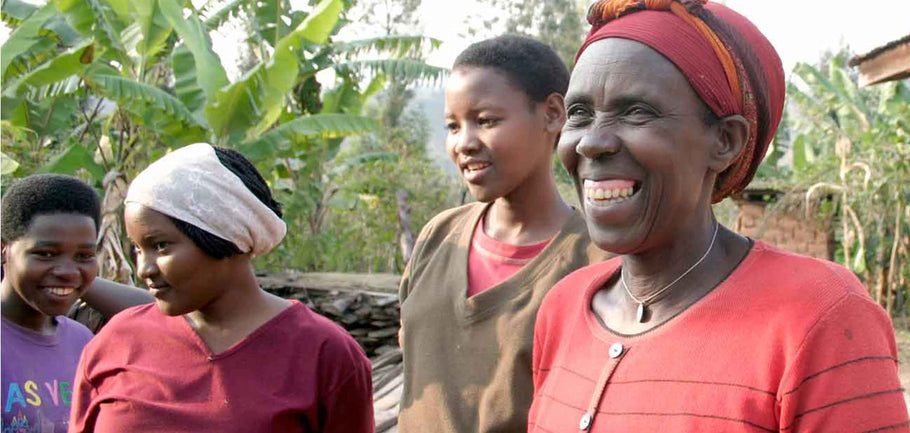
Antique bourbon Arabica varietals, prized for their rich sweetness and subtle expressions of soil, climate, and terroir are farmed at Dukunde Kawa. The farmers careful stewardship of their trees throughout the year yields heavy harvests of juicy red coffee cherries, which are the starting point for great coffee.
Draped like a patchwork quilt over a steep winding ridge, the two thousand farms of the Dukunde Kawa Cooperative stretch over 10 kilometers of meandering hilltops and slopes. Each small farm is home to a family, and on their small plots, often an acre or less in size, the family produces beans, potatoes, plantains, and the economic lifeblood of their community, coffee. This community of farmers—collectively known as Musasa after the area’s main town—produces one of the most elegant coffees in the world.
During the harvest, each of Dukunde Kawa’s 2,000 members brings freshly harvested ripe cherries to one of three washing stations. The cooperative staff sorts the whole cherries by hand to ensure that there are no poorly ripened or damaged fruit. The cherries are then depulped—their skin is stripped from the fruit—and then allowed to ferment for 12–18 hours depending on the day’s temperature. Following fermentation, the fruit’s flesh separates easily from the bean inside, and is removed as the beans are passed through a winding series of washing channels. The beans are then placed on elevated drying racks where they are turned by hand to ensure even drying, covered during the intense mid-day tropical sun to prevent them from losing moisture too quickly, and monitored until they reach a stable moisture content of 14%.
The Coffee—Deep chocolate notes, juicy hints of orange, plum, and the sweetness of maple syrup.
Farmer Facts
Buying Coffee from DUKUNDE KAWA since 2005
(We support Coffee Lands Foundation with an additional premium of $.01 for every pound of green coffee purchased)
- Co-op: Dukunde Kawa Coop
- Region: Gakenke
- Altitude: 1,600 – 2,000 meters
- Processing: Wet / Washed
- Varietal: Bourbon

COFFEE FROM DUKUNDE KAWA
SINGLE ORIGIN
DUKUNDE KAWA : Musasa, Rwanda
read more -
![YCFCU : Yirgacheffe, Gedeb, Ethiopia]()

YIRGACHEFFE
Ethiopia is widely regarded as the birthplace of Arabica coffee, and the Gedeo Zone of southern Ethiopia produces some of the country’s most celebrated coffees.
The Yirgacheffe Coffee Farmers Cooperative Union (YCFCU) was established in 2002 to support sustainable coffee production and improve economic opportunities for smallholder farming communities throughout the region. Today, the union includes twenty-six affiliated cooperatives representing nearly 45,000 farmers across the districts of Yirgacheffe, Gedeb, Wonago, Dilla Zuria, Bule, and Kochere.
Beyond coffee production, the YCFCU invests in long-term community resilience through projects including school construction, rural electrification, and road and bridge improvements that help strengthen infrastructure in remote farming communities.
One of the cooperatives within the YCFCU network is the Halo Bariti Cooperative, located in the Gedeb district of the Gedeo Zone. Founded in 2012 and formerly part of the Worka Cooperative, Halo Bariti is made up of more than 250 farming families cultivating coffee at elevations between 1,600 and 2,300 meters above sea level, among the highest coffee-growing regions in Ethiopia.
The region’s rich volcanic soils, high elevations, abundant sunshine, and cool mountain climate contribute to coffees known for their vibrant floral aromatics, fruit-forward sweetness, and layered complexity.
We are honored to continue working with the YCFCU and cooperatives like Halo Bariti to support long-term partnerships rooted in quality, transparency, and shared stewardship.
Farmer Facts
Buying Coffee from YCGCU since 2012(We support Coffee Lands Foundation with an additional premium of $.01 for every pound of green coffee purchased)
- Cooperative: Yirgacheffe Coffee Farmers Cooperative Union (YCFCU)
- Altitude: 1,600-2,300 meters
- Processing: Sun-dried Natural
- Region: Gadeo Zone, Ethiopia
- Varietal: Indigenous heirloom varietals
COFFEES FROM YIRGACHEFFE
SINGLE ORIGIN
Delicate, deeply sweet. Baker’s chocolate, magnolia, peach, black peppercorn, sandalwood in aroma and cup. Gentle, rounded acidity; velvety mouthfeel.
Naturally processed Ethiopian coffees are special in the world of "Single Origin" coffee flavors with rich, sweet and intense berry notes.
YIRGACHEFFE NATURAL IS USED IN THESE BLENDS
YCFCU : Yirgacheffe, Gedeb, Ethiopia
read more -
![Roastmaster's Select :]()

Roastmaster's Select: Tanzania "Zanzibar" Peaberry

Once a month, members of the Roastmaster’s Select Coffee Club have the opportunity to sample unique micro-lot coffees from around the world. “What is a micro lot,” you ask? Read up on how we source the beans and what happens when they reach our roastery.
Following the harvest cycle, Roastmaster’s Club Members have exclusive access to these one-of-a-kind coffees at their peak freshness, and now it’s your turn! We were so impressed by this beautiful Tanzanian peaberry coffee that we ordered a fresh lot, just for you, for a limited time. Don’t miss your chance to try a bag of this exquisite coffee from volcanic foothills, nestled at the base of Mount Kilimanjaro in Tanzania.
Join the Club- Altitude: 1,400-1,800 meters
- Processing: Washed, Sun-dried
- Grower Estates of N. and S. Tanzania
- Varietal: N & KP, Kent, Bourbon

Where it’s Grown
Towering at almost 20,000 feet above the African landscape, Mount Kilimanjaro is the highest point on the African continent and the highest “freestanding” mountain on the planet. It is in this nutrient-rich volcanic soil, at the foothills of the monumental giant, that some of the best coffee in the world in grown.

Tanzania is enormous, bordered by a few of our other coffee producing countries, like Kenya, Uganda, Rwanda and the Democratic Republic of Congo. Just below the equator, Tanzania is in a prime location for growing coffee, but produces less than one percent of the world’s Arabica coffee supply. This year, the micro-lot that we received is excellent, and we think you’ll love it too.
Tanzania is perfectly situated for growing exquisite coffee, yet it produces less than one percent of the world’s Arabica coffee supply. Still, this modest production plays an important role in the nation’s economy as its third largest agricultural export. This year, the micro-lot that we received is superb and we are so thankful to be able to share it with you.
This Tanzania peaberry coffee is a premium blend from high grown estates in Southern and Northern Tanzania. The Southern Estates (lunji, Utengule, and Kanji Lanji) are located in Mbozi and Mbeya, in the southern highlands of Tanzania. The Northern Estates (Mondul, Burka, Ngila, and Lyamungu) are located in the Karatu District on the slopes of the Ngorongoro crater, surrounded by the Ngila Forest reserve, as well as on the southern foothills of Mt. Kilimanjaro.
Roastmaster's Select : "Zanzibar" Peaberry, Tanzania
read more -
![GARMINDO: Aceh, Sumatra, Indonesia]()
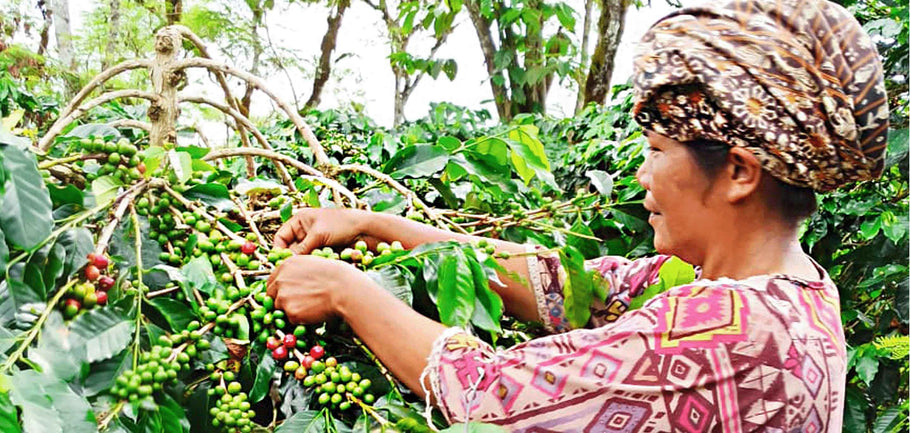
GARMINDO
Under the dense tropical forests of Sumatra’s northern Gayo Mountains, the Gayo Arabika Mahkota Indonesia (GARMINDO) produces one of Indonesia’s finest coffees, formerly named the ASKOGO cooperative.
Our Sumatran coffee was grown by members of the family-owned farms organized around the Gayo Arabika Mahkota Indonesia cooperative (GARMINDO), located in the Takengon highlands of the Aceh province on the island of Sumatra, Indonesia. This region of Indonesia is also referred to as the Gayo land because the coffee farmers are from the Gayonese ethnic group.
GARMINDO currently has 760 members organized in 13 villages. They are all located in the regencies of Aceh Tengah and Bener Meriah. ASKOGO members grow their coffee from 1,000 to 1,500 meters above sea level.
The GARMINDO co-op offers regular training activities to each of the farmers in their co-op, in order to improve the quality of their coffees, learn new harvest techniques, and implement more beneficial farming practices. This group was founded in 2008, and has continually improved their coffee in the subsequent years. We have been purchasing coffee from GARMINDO (formerly named ASKOGO) since 2015.
Farmer Facts
Buying Coffee from GARMINDO since 2019
We support Coffee Lands Foundation with an additional $.01 premium for every pound of green coffee purchased
- Co-op: Gayo Arabika Mahkota Indonesia- GARMINDO
- Region: Aceh Tengah and Bener Meriah
- Altitude: 1,000 – 1,500 meters
- Processing: Wet Hulled
- Varietal: Bourbon, Catimor, and Typica
GARMINDO COFFEES
SINGLE ORIGIN
BLENDS
GARMINDO: Aceh, Sumatra, Indonesia
read more -
![MAHINA MELE: Kona, Hawaii]()

MAHINA MELE
Mahina Mele means “Moonsong Farm” in ‘Olelo Hawai‘i, the language of Hawai‘i. Home to Kollette and Jason Stith, and their three children, it is also one of the only producers of organic coffee on the island of Kona. Rich with sweet notes of macadamia nut, chocolate, and vanilla, this coffee is sure to remind you of the sweetness of life in the island of Hawai‘i.
“We arrived on the Big Island In June 2005 eager to see the coffee farm we purchased, sight unseen. Our first visit to our new home was stunning. While we had an idea of what we might find, we were thrilled to see the lush overgrown coffee trees and a macadamia nut orchard.
Our passion soon became cleaning the land. Using only organic practices, solar energy, and water catchment our farm soon became an oasis for birds, camelions, and all plant life. The coffee appreciated the attention and soon ripened with vibrant with red plump cherries. The rich volcanic soils of Hawaii and tropical climate allowed the coffee to thrive.”
— Kollette and Jason Stith, Mahina Mele FarmFarmer Facts
Buying Coffee from MAHINA MELE since 2006
- Farm: Mahina Mele Farm, Stith family
- Region: South Kona, Hawaii
- Altitude: 520 meters
- Processing: Washed and Sun Dried
- Varietal: Kona Typica

MAHINA MELE COFFEE
SINGLE ORIGIN
Rich with sweet notes ofmango, milk chocolate and sugarcane, this coffee is sure to remind you of the sweetness of life on the island of Hawai'i.
BLEND
Simply elegant, with notes of tropical flowers and milk chocolate. A perennial favorite among light roast coffee drinkers.
MAHINA MELE: Kona, Hawaii
read more -
![GUAYA'B: Huehuetenango, Guatemala]()
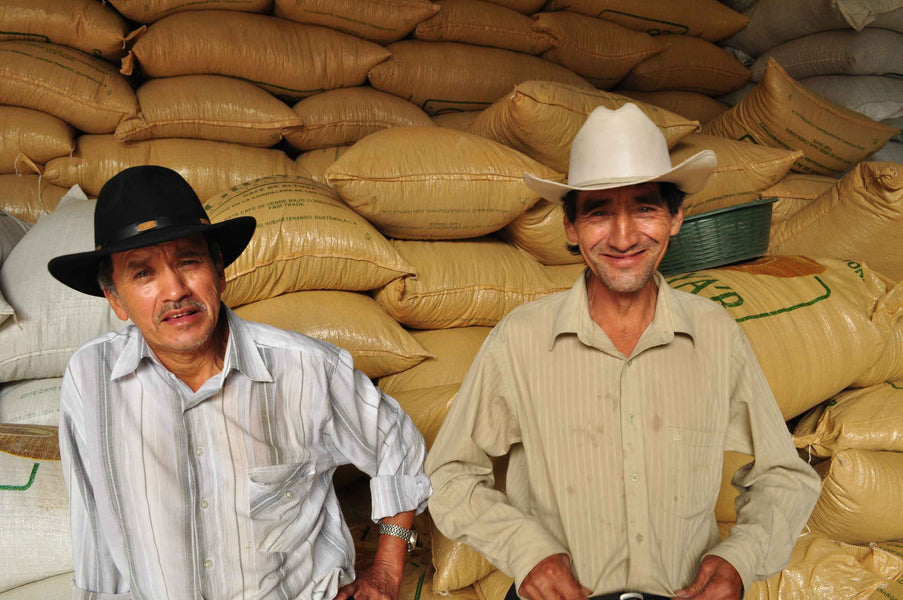
GUAYA'B
Working as family units, the farmers of the Guaya’b Cooperative carefully handpick each day’s ripe fruit and attend to the processing of their coffee on their farms in small-batches. Rich volcanic soils, antique bourbon and typica varietals and dense shade come together in the farmers’ hands to produce small volumes of exceptional coffee. A classic example of their Huehuetenango appellation, the farmers’ coffee has a rich cherry sweetness, lush floral notes, and a deep wine-like body.
Guaya'b Civil Association is an 617-member cooperative of smallholder farmers in the municipality of Jacaltenango, department of Huehuetenango, Guatemala. The farmers grow coffee under a dense forest canopy that doubles as the winter home for dozens of species of migratory birds as well as local flora and fauna. It wasn’t always this way. When coffee was introduced to this remote region 40 years ago, it was promoted as an alternative to subsistence agriculture, and farmers were taught to clear forests to make way for this new cash crop. Fortunately, these farmers are closely connected to the health of their land, and have re-established their once logged forests providing much needed shade and diverse ecosystems in which coffee thrives.
Now, a new generation of farmers works to cultivate coffee and a variety of other cash and subsistence crops to increase incomes, and to protect the health of the land. Thanks to their partnership with our importer, Elan Organic Coffee, Guaya’b has perfected the art of picking, depulping and fermenting their coffee to produce deep, juicy, and full flavored coffee with a truly distinctive character. In fact, the farmers’ coffee is so unique that they periodically run into trouble with ANACAFE, Guatemala’s national coffee marketing wing, which tries to subdue Guaya’b’s flair and replace it with a more generic cup profile produced by less-inventive processing methods.
Not content to merely develop members’ coffee production, Guaya’b has a pilot organic honey project, which also helps to increase coffee yields thanks to improved pollination.
FARMER FACTS
Buying Coffee from GUAYA'B since 2005
- Co-op: Asosicacion Guaya’b Civil
- Region: Huehuetenango
- Altitude: 1,300 – 1,600 meters
- Processing: Wet / Washed
- Varietal: Bourbon, Typica, Caturra

GUAYA'B COFFEES
SINGLE ORIGIN
BLENDS
GUAYA'B: Huehuetenango, Guatemala
read more -
![BYRON CORRALES: Matagalpa, Nicaragua]()

BYRON CORRALES
Byron Corrales is a visionary farmer, campesino leader, and pioneer in the application of biodynamic farming practices to coffee production. Twice he’s won top honors for this magical coffee: Maracaturra, a special variety found only on his small family farm in Nicaragua. The coffee is a unique hybrid of the heirloom varietals Maragoype and Caturra (Bourbon). It was developed and is grown exclusively by Byron Corrales for Thanksgiving Coffee Company. It is a truly exceptional coffee that’s more akin to its cousins in the highlands of East Africa than its neighbors in Central America.
Each coffee carries the subtle differences in taste imparted by soil, variety, and processing, but all exemplify the classic Nicaraguan character: juicy apricot aromatics, rich cashew nuttiness, and a deeply toned sweet cacao finish.
“I was 7 years old when my grandfather taught me to plant my first coffee tree. I liked to look at sun coming through the trees, to share the lessons my grandfather taught me about the growth of plants, and watch the rain fall and surrounded by the scent of the earth. I listened to the song of the birds and rode my horse to school every morning. 42 years have passed in my life since then and I want to transmit our family’s art, our work of many years, discovering the flavors we’ve learned to bring forth from our mountains, expressed in this cup by way of respect for our environment and the songs we sing every day in our coffee farm.
I talk every day with my plants, and they ask me who will consume each bean of our production and in this moment when you are tasting our coffee, I want to talk with you and tell you in silence that you are contributing to the conservation of our planet, that this cup has come from the Arenal Forest Reserve, that its flavor that you’re tasting on your palate is the expression of life and the life energy of all the living beings who live in our community. Now we are together in embraced by this moment celebrating with joy the responsibility of protecting the future of our generations.
The cup of responsibility is a song of love.”
— Byron Jose Corrales Martinez, 2008
Farmer Facts
Buying Coffee from Byron Corrales since 1999
- Farm: Finca los Pinos, Corrales Martinez Family Farm
- Region: Arenal Forest Reserve, Matagalpa
- Altitude: 1,500 meters
- Processing: Fully Washed and Sun-Dried Natural
- Varietal: Maracaturra
COFFEES FROM BYRON CORRALES
SINGLE ORIGIN
BLENDS
BYRON CORRALES: Matagalpa, Nicaragua
read more -
![UCA Miraflor: Estelí, Nicaragua]()

UCA Miraflor
Nestled in the protected Natural Reserve of Estelí, Nicaragua, the Unión de Cooperativas Héroes y Mártires de Miraflor (UCA Miraflor) embodies the powerful connection between environmental stewardship and social justice. Born from Nicaragua's revolutionary spirit in 1990, this visionary cooperative has transformed from a movement for farmers' rights into a model of sustainable agriculture and community empowerment. Today, it unites 12 grassroots organizations representing over 400 small producers across 36 communities. Our 25-year partnership has supported their evolution, including the establishment of one of Nicaragua's pioneering cupping labs, which continues to elevate their coffee's exceptional quality.
What makes UCA Miraflor truly remarkable is their groundbreaking integration of coffee cultivation with environmental conservation. As the first cooperative to implement Nicaragua's community ecotourism model, they've created innovative pathways for sustainable development that go far beyond traditional farming. The cooperative has become a beacon of women's empowerment, with four exclusively female-led cooperatives leading the way in both coffee production and eco-tourism initiatives. When you choose UCA Miraflor coffee, you're not just experiencing the exquisite flavors of their high-altitude, sustainably grown beans – you're supporting a visionary community where environmental protection, social justice, and artisanal coffee production work in harmony to create positive change.
Farmer Facts
Buying Coffee from UCA Miraflor since 1999
- Farm: Unión de Cooperativas Héroes y Mártires de Miraflor (UCA Miraflor)
- Region: Miraflor Moropotente, Estelí, Nicaragua
- Altitude: 1000-1450 meters
- Processing: Fully washed & sun dried
-
Varietal: Catuai, Caturra, and Catimor
COFFEES FROM UCA Miraflor
SINGLE ORIGIN
BLENDS
UCA Miraflor: Estelí, Nicaragua
read more -
![CECOCAFEN: Matagalpa, Nicaragua]()

CECOCAFEN
Since 1997, CECOCAFEN (Central Association of Northern Coffee Cooperatives) has been a beacon of sustainable coffee production in Nicaragua, growing from 500 initial producers to now representing 2,600 farming families across twelve community-based cooperatives. Our enduring 25-year partnership with CECOCAFEN has been instrumental in their growth, as they operate in the pristine mountains of Matagalpa, Jinotega, and Las Segovias, where their members cultivate exceptional coffee beans in rich volcanic soils at high altitudes. The humid tropical climate creates perfect conditions for developing unique flavor profiles that capture the essence of each region.
At the heart of CECOCAFEN's mission is a commitment to both quality and community. Through our pioneering partnership, we established their first cupping labs, which alongside their state-of-the-art SolCafé processing plant, ensures consistently superior coffee through expert quality control. Their dedication to ethical practices extends beyond the bean. The cooperative supports local development through innovative initiatives including eco-tourism, women's entrepreneurship programs, and educational scholarships, demonstrating how quality coffee production, ecological stewardship, and community development can flourish together. Through their unwavering focus on excellence and equity, CECOCAFEN delivers over 100 container-loads of exceptional, ethically sourced coffee annually to discerning international markets.
Farmer Facts
Buying Coffee from CECOCAFEN since 1999
- Farm: La Central de Cooperativas Cafetaleras del Norte (CECOCAFEN)
- Region: Matagalpa, Jinotega, and Las Segovias
- Altitude: 900 – 1500 meters
- Processing: Fully Washed, Sun Dried Natural
- Varietal: Arabica – Bourbon, Typica, Caturra
COFFEES FROM CECOCAFEN
BLENDS
CECOCAFEN: Matagalpa, Nicaragua
read more -
![SOLIDARIDAD: Aranjuez, Nicaragua]()
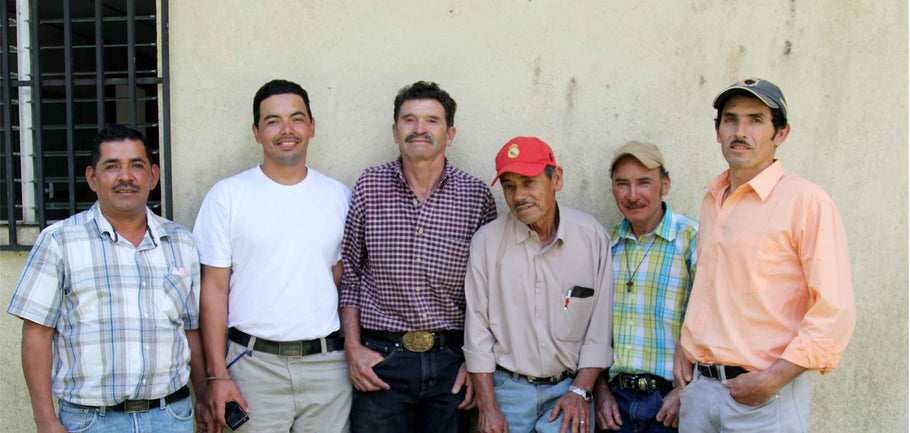
SOLIDARIDAD
Perched on the slopes surrounding the Arenal Forest Preserve, the eighty farming families of Cooperativa Solidaridad produce one of Nicaragua’s finest coffees while stewarding precious forest ecosystems.
The Cooperative’s members grow coffee under a dense canopy of banana, guava, and tropical hardwood. Each farmer harvests juicy red cherries by hand and then carefully removes the sweet fruit using hand-turned depulping machines. The day’s harvest is fermented, then washed and dried before being brought to the Cooperative’s office in the town of Aranjuez.
Each coffee carries the subtle differences in taste imparted by soil, variety, and processing, but all exemplify the classic Nicaraguan character: juicy apricot aromatics, rich cashew nuttiness, and a deeply toned sweet cacao finish.
Thanksgiving Coffee Company is proud to have purchased Cooperativa Solidaridad’s coffee since the mid-1990s, when co-founder Paul Katzeff visited during one of his many visits to Nicaragua. The relationship that he established is our oldest ongoing partnership and has been the proving ground for many of our ideas. After dozens of visits through the years, we’ve learned more than we’ve taught; today our relationship continues to deepen with the trust and strength built by our shared history.
FARMER FACTS
Buying coffee from SOLIDARIDAD since 1999
- Co-op: Cooperativa Solidaridad
- Region: Aranjuez
- Altitude: 1,450 – 1,650 meters
- Processing: Wet / Washed
- Varietal: Caturra, Catuai, Bourbon

COOPERTIVA SOLARIDAD COFFEE
BLENDS
SOLIDARIDAD: Aranjuez, Nicaragua
read more -
![PRODECOOP : Esteli, Nicaragua]()
PRODECOOP
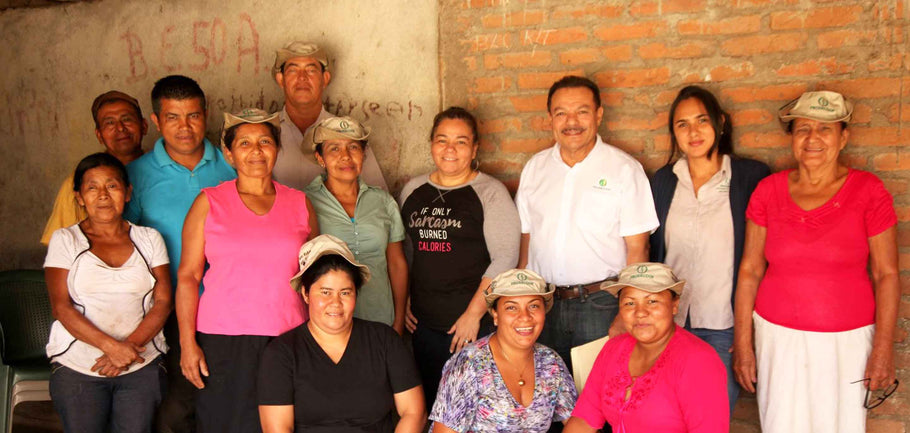
In the mountains of Northern Nicaragua, 38 base cooperatives composed of 2,700 small farmers grow and sell coffee together as the Promotora de Desarollo Cooperativa de las Segovias (PRODECOOP). The vast majority of the farmers are in the Esteli, Madriz and Nuevo Segovia regions. Of these farmers 30% are women-owned farms. On average they export 30,000 bags each year — about 50% of which are Certified Organic and most are working with the Caturra and Bourbon varieitals.
The cooperative has a commitment to the wellbeing of their members and provides services such as marketing, cooperative development including technical assistance, training, credit funds, improving coffee quality and social projects to promote food security and gender equality.
Their vision is for “Work based in the family and for the family.” The quality of their products, service and environment plus social development is equal to the quality of life for their families. PRODECOOP’s motto is “Behind every cup of coffee, there is a family.”
We’re proud to purchase coffee from this cooperative — their coffees are featured in some of our most popular blends!
FARMER FACTS
Buying Coffee from PRODOCOOP since 2001
- Co-op: PRODECOOP
- Region: Esteli, Madriz, Nuevo Segovia, Nicaragua
- Altitude: 1,500 – 1,700 meters
- Processing: Wet / Washed
- Varietal: Caturra, Bourbon, Catuai
COFFEE FROM PRODOCOOP
Blends
PRODECOOP : Esteli, Nicaragua
read more -
![OTHAYA : Nyeri, Kenya]()
OTHAYA
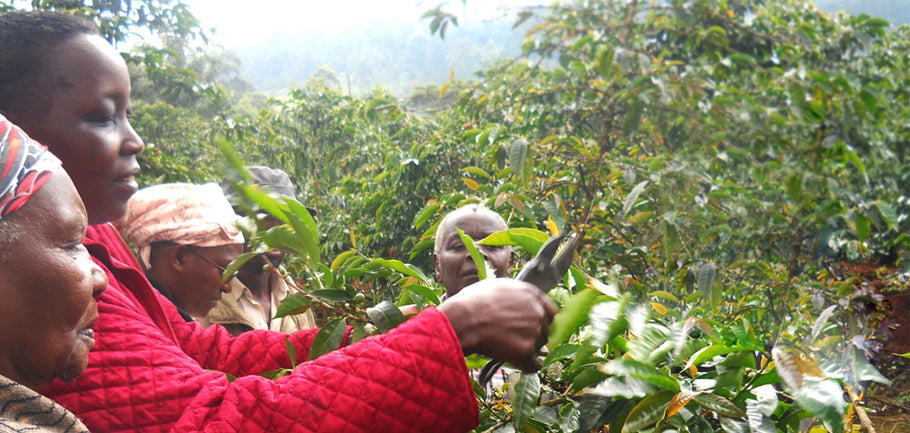
Situated on the highlands of Central Kenya is one of the largest fully farmer-owned, Fairtrade certified coffee society in Kenya, The Othaya Farmers Co-operative Society Limited (FCS). The OTHAYA society was registered in 1956 with 250 farmers and has since grown to over 15,000 members who generally farm half acre plots averaging 250 coffee trees. This is where our Kenya Peaberry comes from and is one of the award-winning roasts from our 2017 Roaster of the Year.
Many aspects make OTHAYA extraordinary, especially their strong social unity. They have a holistic approach to their business management and a progressive view towards quality control throughout their supply chain. The society has a full spectrum of support for their farmers from nursery, farm store, workshops and factory managers are routinely trained on wet mill best practices. OTHAYA also has cupping facilities and society staff cup samples of every lot delivered during the harvest season.
“Peaberries are sought after by coffee connoisseurs for two main reasons: the small size and rounded shape of the beans means they roll around in a smooth and fluid motion inside the coffee roaster for an even and consistent roast. The other major benefit of peaberry beans is that they have been carefully selected, which is essential for optimal quality, regardless of bean shape.” - Jacob Long, Roastmaster
FARMER FACTS
Buying Coffee from OTHAYA since 2015
(We support Coffee Lands Foundation with an additional premium of $.01 for every pound of green coffee purchased)
- Co-op: OTHAYA
- Region: Nyeri, Kenya
- Altitude: 1,400 – 1,800 meters
- Processing: Wet / Washed
- Varietal: SL28, SL32, Ruiru 11, Batian
COFFEE FROM OTHAYA
SINGLE ORIGIN
OTHAYA : Nyeri, Kenya
read more
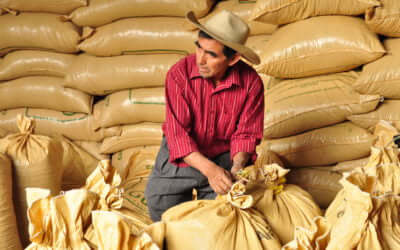


 Our Nicaragua Flor de Jinotega is a big hit. It’s nutty, chocolaty, smooth and sweet.