

Our Blog
Mendocino Trail Stewards Update
View BY :
Mendocino Trail Stewards Update
Mendocino Trail Stewards Reflects on Progress
by Chad Swimmer – President
July 10, 2021, marks sixteen months since the founding of the Mendocino Trail Stewards–488 days that have changed my world irrevocably. It wasn’t just that six mountain bikers gathered around a table then somehow matured to a coalition which has grabbed the attention of the highest levels of the state government. It wasn’t only the pandemic, the acceleration of climate change, the barely averted July 6 Capitol Hill putsch. It wasn’t vapor trail-less blue skies turning apocalyptic orange, the shattering of heat records across the Pacific Northwest, the dying of billions of clams and mussels.
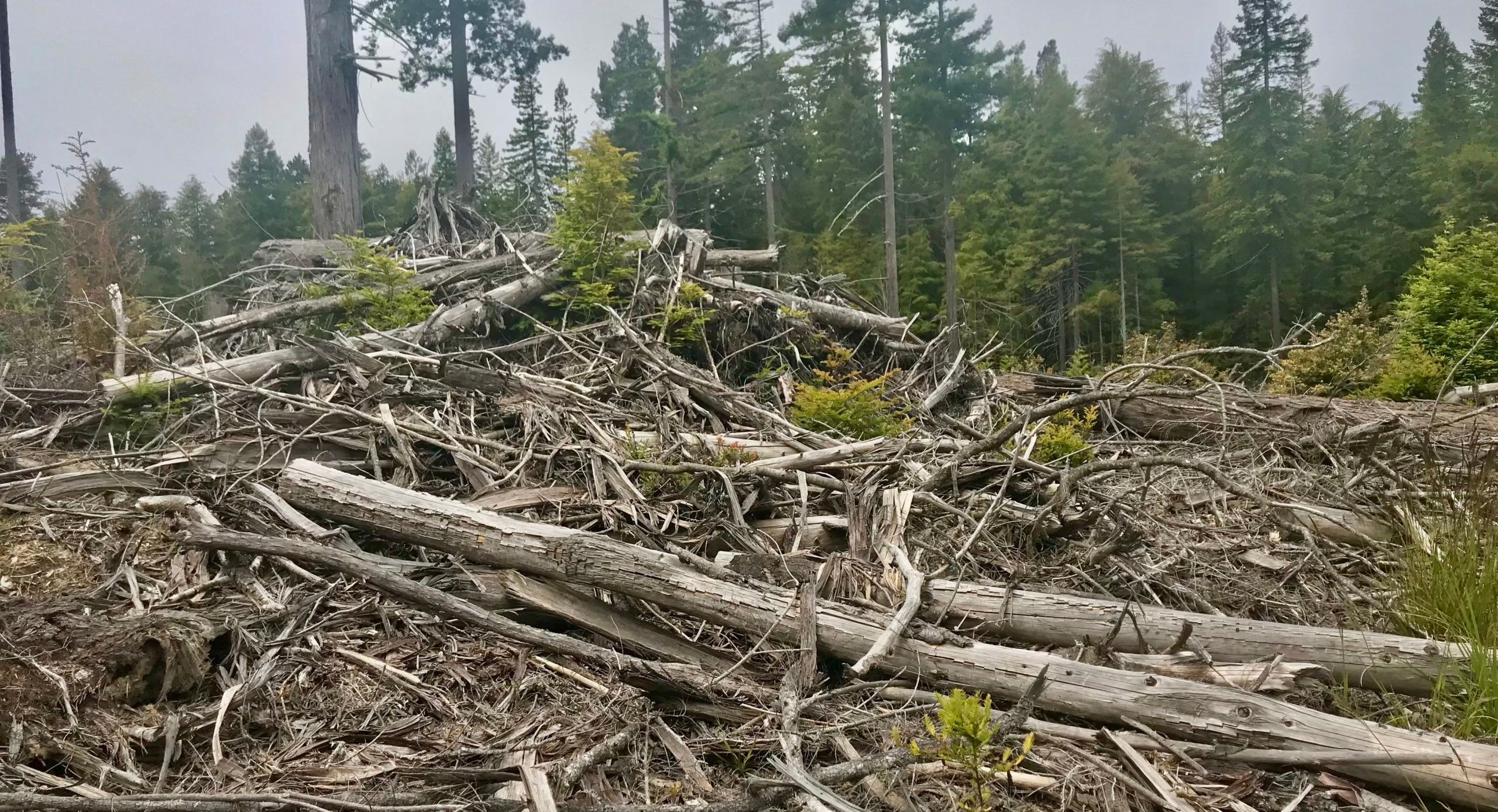
It was a greater transformation, a surprising ray of hope for the future, an unlikely group of strangers joining hands and hearts into an unexpectedly effective coalition, one which includes the Pomo People, young children, once-retired forest activists, and climate scientists, among others. The Coalition to Save Jackson State Forest has struck a chord with our push for accountability, tribal rights, and a legislative solution to the California Department of Forestry’s (CDF) mismanagement of our beloved public lands. Fueled by a pervasive rage at the Trump Administration’s incessantly racist crisis-mongering and by the powerlessness we all felt with Covid-19 sweeping the nation, our ranks have boomed.We have opened the door on an issue right in our backyards, one combining our love of the redwood forest with our greatest fear: climate-driven annihilation.
Michael Hunter of the Coyote Valley Band of Pomo
From 18-year old Greasy Pete, who climbed into Mama Tree’s branches and captured the imaginations of thousands on April 9, to 5-year old Jory, our youngest activist hero, to Paul and Joan Katzeff, whose Redwood Forest Reserve Blend Coffee has kept me organizing late into the night. From the prayers and blessings of Priscilla and Michael Hunter of the Coyote Valley Band of Pomo, the tireless work of their lawyer and ally Polly Girvin, to U’ilani Wesley’s proud chants echoing through the groves, the people of Mendocino County are again at the forefront of change.
CDF has been forced to take notice and they are fighting back, but we still have the moral upper hand. Members of the Mama Tree Network and Redwood Nation Earth First! have repeatedly stopped timber harvest operations, saving thousands of trees and frustrating forest managers. Public comments submitted to CDF have delayed the approval of the controversial Little North Fork Big River and Mitchell Creek plans by months–and hopefully indefinitely. We have overwhelmed California Natural Resource Agency meetings with our calls for change.
Where we go from here is uncertain, but our aim is high. We are drafting litigation to rewrite the Forest Practices Act for the entire State of California, righting historic wrongs and paving the way for this forest to become our ally in protecting our children’s future. Join us for our first ever Caspar Forest Fest, on July 31, from 1:00 to 7:00 at the Caspar Community Center for music, speakers, food, kids’ fun, and to find out how you can become a part of it. Hope to see you there!
Join us for our first ever Caspar Forest Fest
July 31, from 1:00 to 7:00
at the Caspar Community Center
Mendocino Trail Stewards are working to create a visionary model demonstration forest on the Northern California Coast, the Mendocino Coast Redwood Forest Reserve, 20,000 acres of second growth coast redwood forest, preserved in perpetuity for the demonstration of how humans and nature can partner to:
- Fight Climate Change
- Restore Degraded Ecosystems
- Promote Spiritual & Mental Health
- Support Sustainable Economies
Sign the petition and add your voice to the movement to #createthereserve.
The Coffee
The Mendocino Trail Stewards’
Redwood Forest Reserve Blend
When you drink this coffee, your purchase supports Mendocino Trail Stewards’ efforts to create the Redwood Forest Reserve.


Medium Roast
A big, bold, sweet and fruity cup of coffee – with a long finish.
Your purchase supports forest conservation efforts by Mendocino Trail Stewards.

Dark Roast
A bold, sweet blend with hints of nuts, chocolate, and caramel.
Your purchase supports forest conservation efforts by Mendocino Trail Stewards.

Decaf
Complex and sweet enough to enjoy straight, yet bold enough to punch through milk.
Your purchase supports forest conservation efforts by Mendocino Trail Stewards.
Recommended Reading
Back to the Blog-
![Back to the Land, Forward in Time]()

Back to the Land, Forward in Time
Biodiversity, organic coffee, and the art of creating with care
September has a way of turning quietly on the Mendocino Coast. The light shifts, the gardens offer their last abundance, and the first edge of autumn asks us to notice what we have grown, both in the ground and in our lives.
This season, we are thinking about the relationships that hold everything together: people and place, farmer and roaster, tradition and everyday life. Biodiversity is part of that larger picture. It is the living foundation behind good coffee, and one of the things Thanksgiving Coffee is committed to protecting.
Original Roastary on Noyo Harbor circa 1970's, With Paul and Panda
A Living Mendocino Inheritance
Thanksgiving Coffee was born from the Mendocino Coast world. Our story is connected to Fort Bragg's working harbor, the Mendocino art scene, environmental activism, and the back-to-the-land ethos.
From the beginning, coffee here has meant more than a product. It has offered a way to remain connected to place, to people, and to a life shaped by purpose.
Much of what once sounded "alternative" has become part of how many of us are trying to live today. We want to know where our food comes from. We care about soil and water. We value independent makers and the knowledge carried within their work.
Coffee as Part of a Living System
Biodiversity is one of the threads tying these values together. Coffee doesn't grow in isolation. A biodiverse coffee farm can include shade trees, birds, insects and other pollinators, microorganisms, ground cover and neighboring plant species - all interacting with the coffee crop and the soil and water that sustain it. Coffee grown organically within a diverse landscape develops as part of a living system - carrying the influence of climate, elevation, soil, variety, and the knowledge of the people who tend it.
From Industry Change to Habitat Protection
Thanksgiving Coffee began making the relationship between coffee and habitat visible decades ago. In 1994, we introduced one of the first shade grown coffee lines, connecting customer choice with the protection of tropical forest habitat. Learn more about shade-grown coffee.
In 2015, we joined the Smithsonian Migratory Bird Center’s Bird Friendly program. This certification brings organic agriculture and forest canopy protection together, recognizing coffee farms that provide habitat for migratory birds and other wildlife.
That history continues to shape how we understand biodiversity today. It is a living foundation of the landscape and an essential part of coffee quality and our responsibility. When farms maintain diverse vegetation, forest canopy, and healthy soil, they create conditions in which coffee, wildlife, and farming communities can thrive together.
A Resilient Coffee System Is a Human System
Every cup passes through many hands. Farmers bring an intimate knowledge of their land. Cooperative leaders build shared stability. Cuppers develop their palates through years of practice. Roasters respond to the qualities each coffee brings. Designers, production teams, retailers, and customers carry it forward from there.
This is where biodiversity and justice meet. Fair compensation supports farmers in caring for their farms, remaining connected to their land, and passing knowledge from one generation to the next.
Putting Knowledge in Farmers’ Hands
Original Cupping Lab project, Nicaragua
Thanksgiving Coffee put this belief into practice in Nicaragua. In 1999, Paul Katzeff proposed placing professional coffee tasting tools directly in the hands of producer cooperatives. With support from USAID, Thanksgiving Coffee helped nine cooperatives build cupping labs owned by farmers in 2000 and trained farmers to evaluate coffee using the same standards as buyers. The farmers could taste, understand, and demonstrate the quality of their own coffee, strengthening their ability to improve it and negotiate its value.
We see ecological responsibility and fairness as complementary goals. They are the same root system, revealed in different forms.
Not Just A Cup, But A Just Cup™.
Mendocino Vienna: A Taste of Place
Mendocino Vienna blends organic coffees from Central America, South America, and Indonesia. Each coffee is shaped by its own landscape and farming traditions.
Careful roasting brings these coffees into balance. The result is bold but sweet, with notes of nuts and dark chocolate and a natural sweetness that lingers. This dark roast still allows the blend’s character to come through.
The beans travel from three continents, but the blend itself was shaped here on the Mendocino Coast. Many of our customers first discovered it in Mendocino and have kept returning to it over the years.
One longtime customer, Joe Massucco of Seattle, first tasted Mendocino Vienna while visiting the coast. He describes it as dark and flavorful without tasting burnt, and as a welcome companion to the morning paper.
Sold outA New Way To Enjoy Mendocino Vienna
Its rich notes of chocolate and nuts also make Mendocino Vienna a wonderful foundation for cold brew recipes. Try our Mayan Mocha Smoothie, made with chilled Mendocino Vienna, cacao, banana, cinnamon, and your choice of milk.
Bringing These Values To Your Cup
The choices we make as coffee drinkers can support a more resilient and biodiverse coffee system.
- Look for meaningful certifications. Learn what Organic, Fair Trade, and Smithsonian Bird Friendly certifications tell you about how a coffee was grown or traded. Shade, biodiversity, farming practices, and economic relationships all matter beyond the cup.
- Learn where your coffee comes from. Origin is more than a flavor descriptor. It represents farmers, communities, landscapes, and generations of knowledge.
- Support companies that maintain lasting producer relationships. Relationships built over time can create greater transparency, shared knowledge, and a deeper understanding of quality.
- Learn one story behind the coffee you buy. Knowing something about the people and places behind your coffee can change your relationship with it.
Ready to Begin That Journey?
Start with this month’s featured coffee, Mendocino Vienna. Discover how organic coffees from three continents and more than fifty years of Mendocino Coast roasting experience come together in one enduring blend.
None of this has to be perfect. It simply has to become part of your practice, repeated with care.
Carrying the Legacy Forward
As the fall equinox approaches, we are giving thanks for the harvest, for the people who grow and cultivate our food, and for the relationships that make all of it possible.
The back to the land movement taught us to pay attention. The arts taught us to imagine. Biodiversity reminds us that everything is connected.
At Thanksgiving Coffee, this is living history. It continues through how we source, roast, and share coffee. It also lives within the community that continues to grow around it.
Explore Mendocino Vienna and experience what it means to cultivate coffee, community, and a more thoughtful way of living.
Not Just A Cup, But A Just Cup™.
Frequently Asked Questions
What does biodiversity mean in coffee farming?
Biodiversity refers to the variety of life found within and around a coffee farm. This can include coffee plants, shade trees, food crops, native vegetation, birds, pollinators, insects, fungi, and microorganisms in the soil.
These living elements interact with one another. Together, they can help maintain healthy soil, protect water, support natural pest control, and make a farm more resilient to environmental change. Coffee is one crop within this larger community of life.
How is shade grown coffee good for biodiversity?
Shade grown coffee is cultivated beneath a canopy of trees rather than in a cleared field exposed to full sun. When that canopy includes a variety of tree species and layers of vegetation, it can provide food, shelter, and migratory pathways for birds, insects, and other wildlife.
Shade trees can also help regulate temperature, retain moisture, reduce soil erosion, and return organic matter to the ground. However, “shade grown” by itself is not always a regulated claim. Smithsonian Bird Friendly certification provides additional assurance because participating farms must be certified organic and meet specific standards for forest canopy, vegetation, and habitat protection.
What is the difference between Organic, Fair Trade, and Bird Friendly coffee?
Each certification looks at a different part of the coffee system.
Organic certification focuses on farming and processing practices. Certified organic coffee must meet verified standards governing how it is grown and handled. These standards restrict most synthetic pesticides and fertilizers while supporting soil and water health, ecological balance, and biodiversity.
Fair Trade certification focuses on people and trade. It establishes social, economic, and environmental standards for participating producers and businesses. Depending on the certifying system, this can include price protections, additional community premiums, labor standards, and support for democratic producer organizations.
Smithsonian Bird Friendly certification focuses on habitat. Bird Friendly farms must first meet organic certification requirements. They must also maintain specific levels of shade, forest structure, and plant diversity that provide habitat for migratory birds and other wildlife.
A coffee can carry more than one certification. Organic addresses how the coffee is cultivated. Fair Trade addresses how it moves through economic and social relationships. Bird Friendly adds verified habitat requirements. Together, they give coffee drinkers a fuller understanding of what their coffee supports.
About The Author
Lavender Grace Kent, Head of Brand Narrative & Culture
Lavender Grace documents Thanksgiving Coffee’s history, producer relationships, environmental commitments, and continuing work at the intersection of coffee, culture, and biodiversity.
Stay in touch - we like to stay connected
Back to the Land, Forward in Time
read more -
![Paul's Blend: Roots of Justice]()
Roots of Justice | Paul’s Blend –
Our Founders’ RoastJanuary is a month of return.
After the rush of the holidays, we slow down, reflect, and set intentions for the year ahead. At Thanksgiving Coffee Company, January brings us back to the beginning - to the land, the relationships, and the values that shaped who we are.Paul’s Blend is where that story starts.
Born on the Mendocino Coast in 1972, this Founders’ Roast honors Paul Katzeff’s lifelong belief that coffee could be more than a commodity - that it could be a tool for justice, dignity, and connection between people and place.
This is the coffee that carries our roots.
Paul Katzeff at the original roastery on Noyo Harbor, CA
A Cup Born from Mendocino
Thanksgiving Coffee Company was founded in a working harbor town shaped by fishermen, artists, and back-to-the-land dreamers. Mendocino’s rugged coastline and radical imagination influenced everything - from how we roasted coffee to how we built relationships with farmers around the world.
Paul’s Blend reflects that origin story. It is a classic medium roast crafted with consistency and care, developed through decades of roasting experience and long-standing partnerships with smallholder farmers.
This is not a trend coffee.
It’s a foundational one.Original roastery on the Noyo Harbor, California
Ariel view of the Noyo Harbor with original roastery and new roastery
Roots of Justice in Every Cup
Paul Katzeff came to coffee as a social worker and community organizer. That background shaped the values that still guide Thanksgiving Coffee today:
- Long-term, direct relationships with farming partners
- Paying prices that honor labor and sustain families
- Investing in farmer-led quality control and education
- Believing that quality of life and quality of coffee go hand in hand
Paul helped pioneer farmer-owned cupping labs, co-founded the Specialty Coffee Association, and advocated for organic and shade-grown coffee before it was mainstream.
Paul’s Blend is a tribute to that legacy - steady, thoughtful, and built for the long view.
Paul’s Blend Organic Medium Roast coffee.
Flavor Profile: A Foundational Medium Roast
Paul’s Blend is designed to be approachable, balanced, and deeply satisfying—an everyday coffee shaped by decades of craft and care.
Tasting Notes:
- Blueberry and gentle fruit sweetness
- Smooth cocoa and milk chocolate tones
- Soft cashew nuttiness
- Clean, comforting finish
It’s a coffee that meets you in the morning and stays with you through the day - expressive without being loud, familiar yet layered, and grounded in the flavors Paul has always loved most.
Paul's Blend is one of the award-winning coffee roasts from our 2017 Roaster of the Year prize.
Honoring Martin Luther King Jr. and the Roots of Economic Justice
January is also a time to honor leaders who shaped the path toward justice, dignity, and shared responsibility. As we observe Martin Luther King Jr., we reflect on Dr. King’s enduring belief that civil rights and economic justice are inseparable - that a truly just society must honor the dignity of labor and ensure fairness within the systems that sustain everyday life.
Dr. King spoke often about the moral responsibility of both institutions and individuals, calling for an economy rooted in respect, equity, and human worth. He believed that progress is built not only through historic moments, but through consistent, values-driven actions - often quiet and unseen- that collectively shape the future.
Choosing where your coffee comes from is one of those choices. Every cup of Paul’s Blend supports long-standing relationships, ethical sourcing, and a belief that economic fairness begins with respect and reciprocity.
The 1963 March on Washington for Jobs and Freedom, where civil rights and economic justice were brought together in a call for dignity, fair labor, and shared humanity.
The March on Washington for Jobs and Freedom stands as a powerful reminder that the movement for civil rights was also a movement for economic justice. It called for fair labor, living wages, and systems that recognize the full dignity of every person’s work.
Dr. Martin Luther King Jr. understood that justice must be woven into daily life - from wages and work to how communities care for one another. As we reflect on this moment in January, we are reminded that meaningful change is carried forward through sustained commitment and everyday choices - values lived out not only in moments of history, but in the practices we choose to uphold.
Paul’s East Harlem Buying Club, 1962
These photographs document a food buying club organized by mothers in East Harlem in 1962, operating out of the basement of a public housing project. Faced with high food prices, limited access to fresh ingredients, and the daily pressures of poverty, these women came together to solve a shared problem: food security for their families.
By pooling resources and purchasing food collectively, they lowered household food costs and increased disposable income - profits were shared, and expenses reduced through cooperation rather than competition. The food they sourced reflected their own cultural traditions, allowing families to eat healthier, familiar meals while maintaining dignity and autonomy.
Mothers in East Harlem working together in 1962 to organize a cooperative food buying club, using collective purchasing to improve food access, reduce costs, and strengthen community resilience. Photos by Paul Katzeff
An unexpected outcome emerged alongside the economic impact. The act of solving a community problem together fostered pride, hope, and a renewed sense of agency. The enthusiasm visible in these images reflects more than a transaction - it reveals the mental and emotional benefits of collective action and women-led leadership.
This grassroots model would later inform the next generation of food cooperatives, including Ukiah Natural Foods, and ultimately influence the cooperative principles that shaped businesses like Whole Foods Market. Long before “alternative food systems” entered the mainstream, these women demonstrated that necessity, creativity, and cooperation could build resilience from the ground up.
The values that shaped this moment - cooperation, dignity, and shared prosperity - would later shape how Paul approached coffee. Paul’s Blend carries that lineage forward, offering a daily ritual grounded in justice, relationship, and care.
Simple Recipe:
Paul’s Mendocino Morning LatteA grounding ritual for the start of the year.
Ingredients:
- Double espresso brewed with Paul’s Blend
- Steamed milk
- Light honey drizzle
Instructions:
- Pull a double espresso using Paul’s Blend.
- Steam milk until silky.
- Combine and finish with a gentle honey drizzle.
Enjoy slowly - best paired with a quiet January morning and a clear intention for the day ahead.
A Cup That Started a Movement
Paul’s Blend is more than our Founders’ Roast.
It’s a reminder of what’s possible when coffee is rooted in land, relationship, and justice.As we begin a new year, we invite you to start your mornings with intention - grounded in gratitude, guided by values, and connected to a story that began over fifty years ago on the Mendocino Coast.
Where to Go Next
Stay Connected
Join our Mailing List - for stories from origin, brewing tips, and seasonal releases.
With Gratitude Since 1972
To our farmers, our Mendocino community, and everyone who shares this daily ritual with us - thank you.
Your cup carries our roots forward.
Not Just a Cup, But a Just Cup™
Lavender Grace is the Sustainability Consultant for Thanksgiving Coffee Company
Stay in touch - we like to stay connected
Paul's Blend: Roots of Justice
read more


Back to the Land, Forward in Time
Biodiversity, organic coffee, and the art of creating with care
September has a way of turning quietly on the Mendocino Coast. The light shifts, the gardens offer their last abundance, and the first edge of autumn asks us to notice what we have grown, both in the ground and in our lives.
This season, we are thinking about the relationships that hold everything together: people and place, farmer and roaster, tradition and everyday life. Biodiversity is part of that larger picture. It is the living foundation behind good coffee, and one of the things Thanksgiving Coffee is committed to protecting.
Original Roastary on Noyo Harbor circa 1970's, With Paul and Panda
A Living Mendocino Inheritance
Thanksgiving Coffee was born from the Mendocino Coast world. Our story is connected to Fort Bragg's working harbor, the Mendocino art scene, environmental activism, and the back-to-the-land ethos.
From the beginning, coffee here has meant more than a product. It has offered a way to remain connected to place, to people, and to a life shaped by purpose.
Much of what once sounded "alternative" has become part of how many of us are trying to live today. We want to know where our food comes from. We care about soil and water. We value independent makers and the knowledge carried within their work.
Coffee as Part of a Living System
Biodiversity is one of the threads tying these values together. Coffee doesn't grow in isolation. A biodiverse coffee farm can include shade trees, birds, insects and other pollinators, microorganisms, ground cover and neighboring plant species - all interacting with the coffee crop and the soil and water that sustain it. Coffee grown organically within a diverse landscape develops as part of a living system - carrying the influence of climate, elevation, soil, variety, and the knowledge of the people who tend it.
From Industry Change to Habitat Protection
Thanksgiving Coffee began making the relationship between coffee and habitat visible decades ago. In 1994, we introduced one of the first shade grown coffee lines, connecting customer choice with the protection of tropical forest habitat. Learn more about shade-grown coffee.
In 2015, we joined the Smithsonian Migratory Bird Center’s Bird Friendly program. This certification brings organic agriculture and forest canopy protection together, recognizing coffee farms that provide habitat for migratory birds and other wildlife.
That history continues to shape how we understand biodiversity today. It is a living foundation of the landscape and an essential part of coffee quality and our responsibility. When farms maintain diverse vegetation, forest canopy, and healthy soil, they create conditions in which coffee, wildlife, and farming communities can thrive together.
A Resilient Coffee System Is a Human System
Every cup passes through many hands. Farmers bring an intimate knowledge of their land. Cooperative leaders build shared stability. Cuppers develop their palates through years of practice. Roasters respond to the qualities each coffee brings. Designers, production teams, retailers, and customers carry it forward from there.
This is where biodiversity and justice meet. Fair compensation supports farmers in caring for their farms, remaining connected to their land, and passing knowledge from one generation to the next.
Putting Knowledge in Farmers’ Hands
Original Cupping Lab project, Nicaragua
Thanksgiving Coffee put this belief into practice in Nicaragua. In 1999, Paul Katzeff proposed placing professional coffee tasting tools directly in the hands of producer cooperatives. With support from USAID, Thanksgiving Coffee helped nine cooperatives build cupping labs owned by farmers in 2000 and trained farmers to evaluate coffee using the same standards as buyers. The farmers could taste, understand, and demonstrate the quality of their own coffee, strengthening their ability to improve it and negotiate its value.
We see ecological responsibility and fairness as complementary goals. They are the same root system, revealed in different forms.
Not Just A Cup, But A Just Cup™.
Mendocino Vienna: A Taste of Place
Mendocino Vienna blends organic coffees from Central America, South America, and Indonesia. Each coffee is shaped by its own landscape and farming traditions.
Careful roasting brings these coffees into balance. The result is bold but sweet, with notes of nuts and dark chocolate and a natural sweetness that lingers. This dark roast still allows the blend’s character to come through.
The beans travel from three continents, but the blend itself was shaped here on the Mendocino Coast. Many of our customers first discovered it in Mendocino and have kept returning to it over the years.
One longtime customer, Joe Massucco of Seattle, first tasted Mendocino Vienna while visiting the coast. He describes it as dark and flavorful without tasting burnt, and as a welcome companion to the morning paper.
A New Way To Enjoy Mendocino Vienna
Its rich notes of chocolate and nuts also make Mendocino Vienna a wonderful foundation for cold brew recipes. Try our Mayan Mocha Smoothie, made with chilled Mendocino Vienna, cacao, banana, cinnamon, and your choice of milk.
Bringing These Values To Your Cup
The choices we make as coffee drinkers can support a more resilient and biodiverse coffee system.
- Look for meaningful certifications. Learn what Organic, Fair Trade, and Smithsonian Bird Friendly certifications tell you about how a coffee was grown or traded. Shade, biodiversity, farming practices, and economic relationships all matter beyond the cup.
- Learn where your coffee comes from. Origin is more than a flavor descriptor. It represents farmers, communities, landscapes, and generations of knowledge.
- Support companies that maintain lasting producer relationships. Relationships built over time can create greater transparency, shared knowledge, and a deeper understanding of quality.
- Learn one story behind the coffee you buy. Knowing something about the people and places behind your coffee can change your relationship with it.
Ready to Begin That Journey?
Start with this month’s featured coffee, Mendocino Vienna. Discover how organic coffees from three continents and more than fifty years of Mendocino Coast roasting experience come together in one enduring blend.
None of this has to be perfect. It simply has to become part of your practice, repeated with care.
Carrying the Legacy Forward
As the fall equinox approaches, we are giving thanks for the harvest, for the people who grow and cultivate our food, and for the relationships that make all of it possible.
The back to the land movement taught us to pay attention. The arts taught us to imagine. Biodiversity reminds us that everything is connected.
At Thanksgiving Coffee, this is living history. It continues through how we source, roast, and share coffee. It also lives within the community that continues to grow around it.
Explore Mendocino Vienna and experience what it means to cultivate coffee, community, and a more thoughtful way of living.
Not Just A Cup, But A Just Cup™.
Frequently Asked Questions
What does biodiversity mean in coffee farming?
Biodiversity refers to the variety of life found within and around a coffee farm. This can include coffee plants, shade trees, food crops, native vegetation, birds, pollinators, insects, fungi, and microorganisms in the soil.
These living elements interact with one another. Together, they can help maintain healthy soil, protect water, support natural pest control, and make a farm more resilient to environmental change. Coffee is one crop within this larger community of life.
How is shade grown coffee good for biodiversity?
Shade grown coffee is cultivated beneath a canopy of trees rather than in a cleared field exposed to full sun. When that canopy includes a variety of tree species and layers of vegetation, it can provide food, shelter, and migratory pathways for birds, insects, and other wildlife.
Shade trees can also help regulate temperature, retain moisture, reduce soil erosion, and return organic matter to the ground. However, “shade grown” by itself is not always a regulated claim. Smithsonian Bird Friendly certification provides additional assurance because participating farms must be certified organic and meet specific standards for forest canopy, vegetation, and habitat protection.
What is the difference between Organic, Fair Trade, and Bird Friendly coffee?
Each certification looks at a different part of the coffee system.
Organic certification focuses on farming and processing practices. Certified organic coffee must meet verified standards governing how it is grown and handled. These standards restrict most synthetic pesticides and fertilizers while supporting soil and water health, ecological balance, and biodiversity.
Fair Trade certification focuses on people and trade. It establishes social, economic, and environmental standards for participating producers and businesses. Depending on the certifying system, this can include price protections, additional community premiums, labor standards, and support for democratic producer organizations.
Smithsonian Bird Friendly certification focuses on habitat. Bird Friendly farms must first meet organic certification requirements. They must also maintain specific levels of shade, forest structure, and plant diversity that provide habitat for migratory birds and other wildlife.
A coffee can carry more than one certification. Organic addresses how the coffee is cultivated. Fair Trade addresses how it moves through economic and social relationships. Bird Friendly adds verified habitat requirements. Together, they give coffee drinkers a fuller understanding of what their coffee supports.
About The Author
Lavender Grace Kent, Head of Brand Narrative & Culture
Lavender Grace documents Thanksgiving Coffee’s history, producer relationships, environmental commitments, and continuing work at the intersection of coffee, culture, and biodiversity.
Stay in touch - we like to stay connected
Back to the Land, Forward in Time
read more
Roots of Justice | Paul’s Blend –
Our Founders’ Roast
January is a month of return.
After the rush of the holidays, we slow down, reflect, and set intentions for the year ahead. At Thanksgiving Coffee Company, January brings us back to the beginning - to the land, the relationships, and the values that shaped who we are.
Paul’s Blend is where that story starts.
Born on the Mendocino Coast in 1972, this Founders’ Roast honors Paul Katzeff’s lifelong belief that coffee could be more than a commodity - that it could be a tool for justice, dignity, and connection between people and place.
This is the coffee that carries our roots.
Paul Katzeff at the original roastery on Noyo Harbor, CA
A Cup Born from Mendocino
Thanksgiving Coffee Company was founded in a working harbor town shaped by fishermen, artists, and back-to-the-land dreamers. Mendocino’s rugged coastline and radical imagination influenced everything - from how we roasted coffee to how we built relationships with farmers around the world.
Paul’s Blend reflects that origin story. It is a classic medium roast crafted with consistency and care, developed through decades of roasting experience and long-standing partnerships with smallholder farmers.
This is not a trend coffee.
It’s a foundational one.
Original roastery on the Noyo Harbor, California
Ariel view of the Noyo Harbor with original roastery and new roastery
Roots of Justice in Every Cup
Paul Katzeff came to coffee as a social worker and community organizer. That background shaped the values that still guide Thanksgiving Coffee today:
- Long-term, direct relationships with farming partners
- Paying prices that honor labor and sustain families
- Investing in farmer-led quality control and education
- Believing that quality of life and quality of coffee go hand in hand
Paul helped pioneer farmer-owned cupping labs, co-founded the Specialty Coffee Association, and advocated for organic and shade-grown coffee before it was mainstream.
Paul’s Blend is a tribute to that legacy - steady, thoughtful, and built for the long view.
Paul’s Blend Organic Medium Roast coffee.
Flavor Profile: A Foundational Medium Roast
Paul’s Blend is designed to be approachable, balanced, and deeply satisfying—an everyday coffee shaped by decades of craft and care.
Tasting Notes:
- Blueberry and gentle fruit sweetness
- Smooth cocoa and milk chocolate tones
- Soft cashew nuttiness
- Clean, comforting finish
It’s a coffee that meets you in the morning and stays with you through the day - expressive without being loud, familiar yet layered, and grounded in the flavors Paul has always loved most.
Paul's Blend is one of the award-winning coffee roasts from our 2017 Roaster of the Year prize.
Honoring Martin Luther King Jr. and the Roots of Economic Justice
January is also a time to honor leaders who shaped the path toward justice, dignity, and shared responsibility. As we observe Martin Luther King Jr., we reflect on Dr. King’s enduring belief that civil rights and economic justice are inseparable - that a truly just society must honor the dignity of labor and ensure fairness within the systems that sustain everyday life.
Dr. King spoke often about the moral responsibility of both institutions and individuals, calling for an economy rooted in respect, equity, and human worth. He believed that progress is built not only through historic moments, but through consistent, values-driven actions - often quiet and unseen- that collectively shape the future.
Choosing where your coffee comes from is one of those choices. Every cup of Paul’s Blend supports long-standing relationships, ethical sourcing, and a belief that economic fairness begins with respect and reciprocity.
The 1963 March on Washington for Jobs and Freedom, where civil rights and economic justice were brought together in a call for dignity, fair labor, and shared humanity.
The March on Washington for Jobs and Freedom stands as a powerful reminder that the movement for civil rights was also a movement for economic justice. It called for fair labor, living wages, and systems that recognize the full dignity of every person’s work.
Dr. Martin Luther King Jr. understood that justice must be woven into daily life - from wages and work to how communities care for one another. As we reflect on this moment in January, we are reminded that meaningful change is carried forward through sustained commitment and everyday choices - values lived out not only in moments of history, but in the practices we choose to uphold.
Paul’s East Harlem Buying Club, 1962
These photographs document a food buying club organized by mothers in East Harlem in 1962, operating out of the basement of a public housing project. Faced with high food prices, limited access to fresh ingredients, and the daily pressures of poverty, these women came together to solve a shared problem: food security for their families.
By pooling resources and purchasing food collectively, they lowered household food costs and increased disposable income - profits were shared, and expenses reduced through cooperation rather than competition. The food they sourced reflected their own cultural traditions, allowing families to eat healthier, familiar meals while maintaining dignity and autonomy.
Mothers in East Harlem working together in 1962 to organize a cooperative food buying club, using collective purchasing to improve food access, reduce costs, and strengthen community resilience. Photos by Paul Katzeff
An unexpected outcome emerged alongside the economic impact. The act of solving a community problem together fostered pride, hope, and a renewed sense of agency. The enthusiasm visible in these images reflects more than a transaction - it reveals the mental and emotional benefits of collective action and women-led leadership.
This grassroots model would later inform the next generation of food cooperatives, including Ukiah Natural Foods, and ultimately influence the cooperative principles that shaped businesses like Whole Foods Market. Long before “alternative food systems” entered the mainstream, these women demonstrated that necessity, creativity, and cooperation could build resilience from the ground up.
The values that shaped this moment - cooperation, dignity, and shared prosperity - would later shape how Paul approached coffee. Paul’s Blend carries that lineage forward, offering a daily ritual grounded in justice, relationship, and care.
Simple Recipe:
Paul’s Mendocino Morning Latte
A grounding ritual for the start of the year.
Ingredients:
- Double espresso brewed with Paul’s Blend
- Steamed milk
- Light honey drizzle
Instructions:
- Pull a double espresso using Paul’s Blend.
- Steam milk until silky.
- Combine and finish with a gentle honey drizzle.
Enjoy slowly - best paired with a quiet January morning and a clear intention for the day ahead.
A Cup That Started a Movement
Paul’s Blend is more than our Founders’ Roast.
It’s a reminder of what’s possible when coffee is rooted in land, relationship, and justice.
As we begin a new year, we invite you to start your mornings with intention - grounded in gratitude, guided by values, and connected to a story that began over fifty years ago on the Mendocino Coast.
Where to Go Next
Stay Connected
Join our Mailing List - for stories from origin, brewing tips, and seasonal releases.
With Gratitude Since 1972
To our farmers, our Mendocino community, and everyone who shares this daily ritual with us - thank you.
Your cup carries our roots forward.
Not Just a Cup, But a Just Cup™
Lavender Grace is the Sustainability Consultant for Thanksgiving Coffee Company
Stay in touch - we like to stay connected
Paul's Blend: Roots of Justice
read more
COFFEE AS A CULTURAL BRIDGE
December on the Mendocino Coast carries a special kind of quiet as the fog lifts off the headlands, the lights in kitchen windows glow, and that first cup of coffee warms cold hands. This December we want to celebrate Global Citizenship: the understanding that every cup we brew is connected to lives and landscapes far beyond our own.
For more than fifty years, coffee has been our medium.
Our message is building connection.
From our roastery in Fort Bragg spanning all the way to the hillsides of Rwanda, our work is guided by our intention: to inspire possibility and awaken potential in the communities we serve.
This month, we honor Rwanda’s story of healing, the spirit of the Dr. Jean Mayer Global Citizenship Award, and the farmers whose craft fills your cup.
Honoring the Dr. Jean Mayer Global Citizenship Award
In 2008, the interfaith coffee farmers of East Africa and Thanksgiving Coffee Company were honored with the Dr. Jean Mayer Global Citizenship Award from the Institute for Global Leadership at Tufts University.
The award recognized:
- our commitment to ethical and fair trade;
- our work empowering and connecting farmers and consumers;
- our pursuit of economic and social justice and environmental sustainability;
- and our belief that every person can help create a more peaceful world.
For us, this wasn’t simply a recognition of the past, but a compass for the future. It affirmed what has always been at the heart of Thanksgiving Coffee: coffee as a bridge between cultures, between faiths, and between people who may never meet but are deeply connected through the choices we make every day.
Rwanda: Rebuilding Through Relationship
Dukunde Kawa Cooperative farms span ten kilometers in Rwanda’s northern hills, where over 80% of members are women. Fair Trade Certified and winners of the SCAA Sustainability Award, this cooperative produces elegant coffee through meticulous daily harvesting and processing. Farmers bring fresh cherries to central washing stations in Musasa, where they are depulped, fermented, washed, and dried on raised beds—creating a cup with natural sweetness, citric brightness, and deep cocoa notes.
Coffee Farmers sorting coffee cherries, Rwanda

Mother and coffee farmer of Dukunde Kawa Cooperative, Rwanda
Rwandan coffee growing in the hills
Overlooking the drying racks from atop a beautiful mountain view, Rwanda
Gorilla Fund Legacy
Our relationship with Rwanda began in 2004, when Co-Founder Joan Katzeff traveled there to establish her first solo international partnership with the Dian Fossey Gorilla Fund International. It was a defining moment in our history — a woman-led sourcing journey rooted in relationship, ecological responsibility, and courage.
In 2005, Co-Founder Paul Katzeff followed as part of a USAID initiative, working alongside Rwandan cooperatives to develop cupping labs and strengthen farmer-led quality. Together, Joan and Paul built a partnership that connected coffee farming, community renewal, and gorilla conservation across almost two decades.
Through this collaboration, we launched the Gorilla Fund Cause Coffee line in 2005, using Fairtrade Rwandan coffee to support the protection of mountain gorillas and the communities who share their habitat. In 2017, we expanded this legacy with Grauer’s Gorilla Coffee, made with Organic and Fairtrade beans from the Congo to support critically endangered Grauer’s gorillas.
In total, our Gorilla Fund Coffees raised $106,209 to support conservation, education, and habitat protection in Rwanda and the Congo.
This partnership reflects the heart of our ethos: a cup that protects life, uplifts communities, and strengthens the ecosystems we all share.
A December Pairing: Coffee + Cake
Featured Coffee: Rwanda Dukunde Kawa
This Rwanda Single Origin is the featured coffee of the month. It is an invitation to taste the elegance and strength of Rwandan craftsmanship. This is a coffee to slow down with. One to sip while you read, cook, or watch the morning light move across your own horizon.
- Red plum brightness
- Hibiscus and floral lift
- Honeyed sweetness
- Cocoa depth
- Clean, lingering finish
Featured Recipe: East African Coconut Cardamom Cake
A simple, beautiful cake inspired by coastal East African flavors, created to pair with Rwanda Single Origin. Best made with organic ingredients.
Serves: 8
Time: ~10 minutes prep + 35 minutes bake
Difficulty: Easy
Ingredients
- 1 ½ cups all-purpose flour
- 1 cup sugar
- 1 cup canned coconut milk (full-fat preferred)
- ½ cup melted butter or coconut oil
- 2 large eggs
- 1 ½ teaspoons ground cardamom
- ½ teaspoon cinnamon (optional but lovely)
- 1 teaspoon vanilla extract
- 1 teaspoon baking powder
- ½ teaspoon salt
- ½ cup unsweetened shredded coconut (for topping, optional)
Instructions
- Preheat your oven to 350°F (175°C). Grease an 8-inch round cake pan or loaf pan.
- In a large bowl, whisk together the flour, sugar, cardamom, cinnamon, baking powder, and salt.
- In a separate bowl, whisk the coconut milk, melted butter or oil, eggs, and vanilla until smooth.
- Pour the wet ingredients into the dry ingredients and stir gently until just combined. Do not overmix.
- Pour the batter into the prepared pan. If using, sprinkle shredded coconut evenly over the top.
- Bake for 30–35 minutes in a round pan (or up to 40 minutes in a loaf pan), until the top is golden and a toothpick inserted into the center comes out clean.
- Let the cake cool slightly, then slice and serve warm or at room temperature.
Enjoy a slice with a fresh cup of Rwanda Single Origin, and notice how the cardamom and coconut cradle the coffee’s brightness in a gentle, inviting way.
How to Practice Global Citizenship with Your Cup
Global citizenship can feel like a big idea, but it lives in very small, daily choices.
Here are a few simple ways to bring this theme to life:
- Brew with intention. Take a quiet moment to acknowledge the farmers, land, and hands that brought this coffee to you.
- Learn a farmer story. Visit our blog and read more about our origin partners and interfaith cooperative work.
- Share a cup. Make Rwanda coffee for a friend, neighbor, or coworker, and tell them a bit about the people behind the beans.
- Leave a review. Your feedback helps us tell farmer stories and grow support for relationship-grown coffee.
- Stay connected. Join our email list for monthly stories from origin, regenerative sourcing updates, and recipe pairings.
Every time you choose coffee that honors the people and our planet, you’re participating in a different kind of economy. An economy that is rooted in gratitude, reciprocity, and long-term relationship.
To our long-time customers and to those finding us for the first time, thank you. Your daily coffee ritual makes this work possible.
To the farmers of Rwanda: we see your courage, your craft, and your commitment to community. It is our honor to stand in partnership with you.
From our harbor in Fort Bragg to your table, may this season remind us how deeply connected we truly are, and how every choice we make can help shape a more just and compassionate world.
Not Just A Cup, But A Just Cup™
Lavender Grace is the Sustainable consultant for Thanksgiving Coffee Company
Stay in touch - we like to stay connected